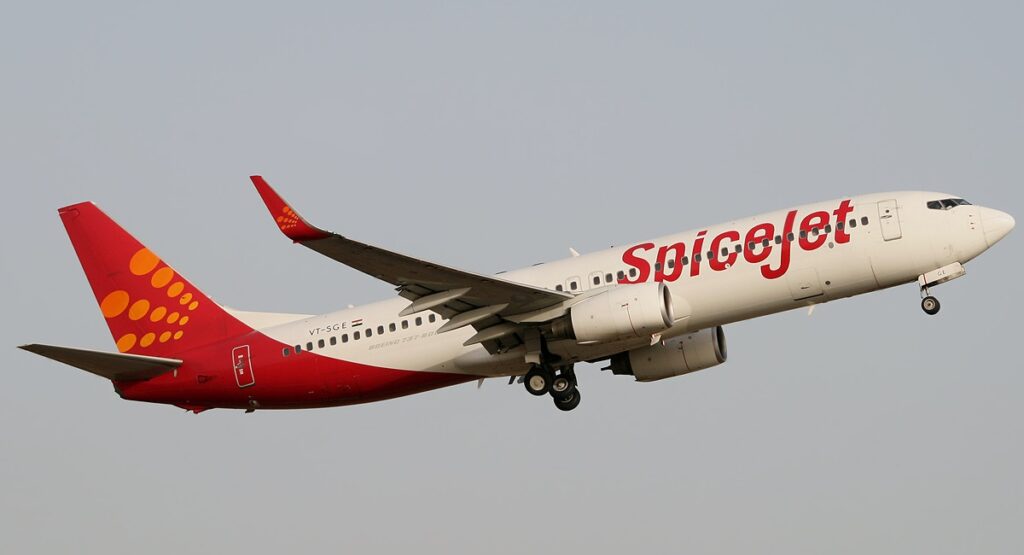
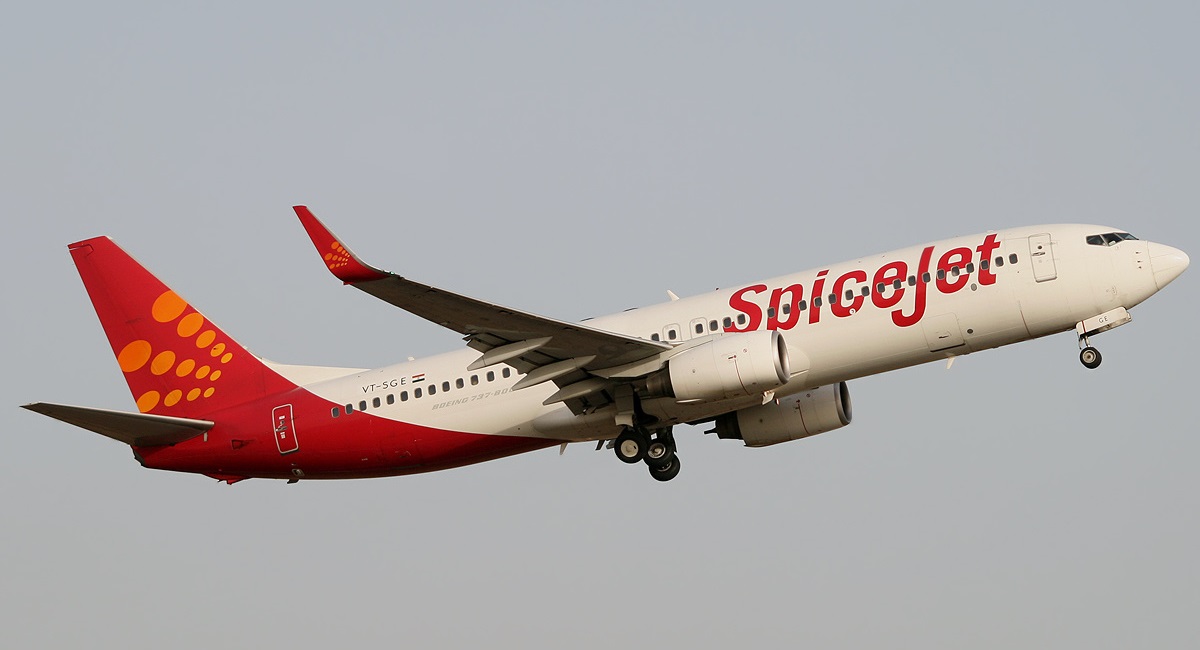

Around 40 pilots of SpiceJet’s Q400 aircraft fleet have refused to operate flights until the airline clears their pending salary dues, a stance that has been backed by the pilots’ group ALPA India.
The budget carrier has been grappling with financial and operational headwinds for several months, and the aviation regulator Directorate General of Civil Aviation (DGCA) is keeping a close watch on the airline. SpiceJet has an operational fleet of 10 aircraft, including two Q400s, while 37 aircraft are parked.
The salary dispute is not new. In an internal communication reviewed by Reuters in June 2026, SpiceJet’s senior vice president of flight operations Virendra Malhotra wrote on 26 May that he was aware “that all of you are going through a difficult phase owing to the delay in salary disbursement.” SpiceJet had 375 pilots on its rolls as of March 2026, and the airline had acknowledged payment delays to Reuters.
ALPA India has been vocal about the structural weaknesses in the system. “In India, pilots often continue flying despite financial stress because leaving the job could affect their flying hours and licence requirements. There are inadequate legal safeguards to ensure timely salary payments for pilots, and there is a lack of support from regulators and authorities,” said Sam Thomas, president, Airline Pilots’ Association of India (ALPA India), in an interview with ETV Bharat.
The current standoff places fresh pressure on an airline that has already seen scheduled flight operations fall from 4,494 in January 2026 to 3,053 in May 2026. Earlier this year, SpiceJet had sought an emergency loan under a government-backed credit scheme to stabilise operations. The pilots’ refusal to fly comes as the aviation industry globally has sharpened its focus on pilot fatigue, mental health and timely compensation as safety-critical issues.