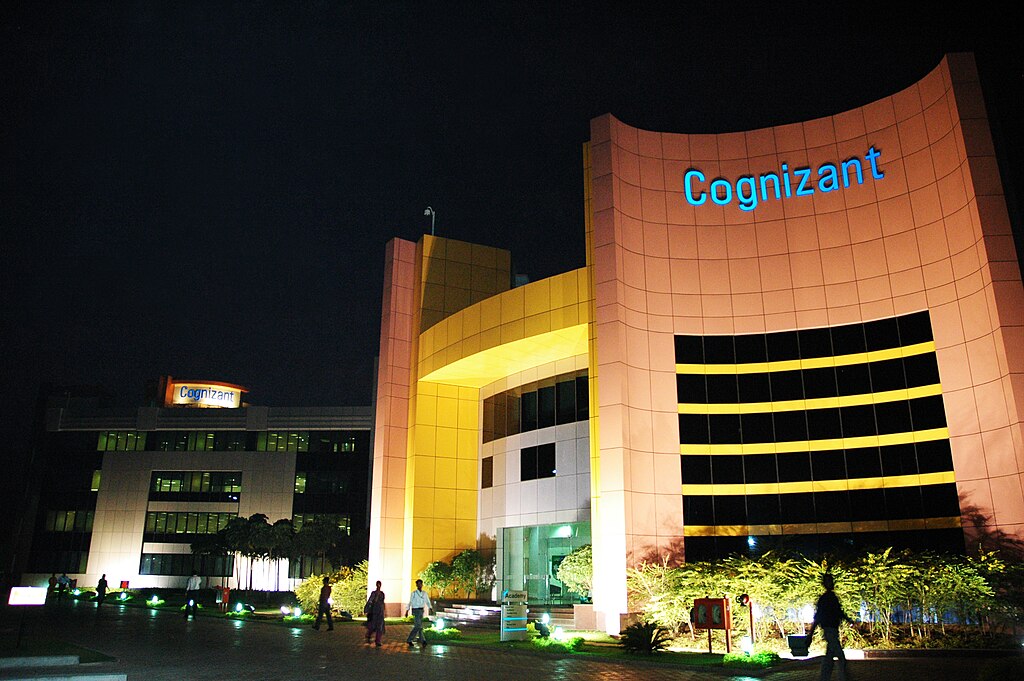

Cognizant Technology Solutions is revamping its hiring approach. CEO Ravi Kumar S announced a strategic move to onboard liberal arts graduates and non-STEM (beyond STEM (Science, Technology, Engineering, and Mathematic) talent as part of the company’s evolving workforce strategy. The IT major is expanding its recruitment focus to include liberal arts colleges, community colleges, and candidates from non-traditional tech backgrounds.
In an interview with Fortune, Kumar said, “We are now going to hire non-STEM graduates. I’m going to liberal arts schools and community colleges.” He emphasized that with around 350,000 employees worldwide, Cognizant views AI as a tool to “amplify human potential” rather than replace jobs.
Why focus on liberal arts schools and community colleges? According to Kumar, students from varied educational backgrounds bring strong abilities in problem identification and conceptual thinking, skills that are becoming increasingly vital in an AI-powered world.
“The middle is all there with AI, and the end of it is validation and verification by humans,” he told Financial Express. He believes this shift is creating space for younger and more diverse talent to take on greater responsibilities early in their careers. “This year, we are hiring more school graduates than ever before,” he said.
Kumar also emphasised that AI should be seen as an amplifier of human potential rather than a replacement for human jobs. By providing the right tools, even school graduates can “punch above their weight,” he said. Kumar added that undergraduate education should evolve to focus more on using AI tools and developing interdisciplinary skills.
Cognizant is also focusing on mid-career transitions and apprenticeship programs to help employees prepare for AI-driven roles. Through its “work, earn, and learn” model, the company has partnered with universities and organizations like Merit America, enabling professionals to reskill and shift careers without stepping away from their jobs. Kumar noted that this initiative promotes lifelong employability amid rapidly evolving technology cycles.