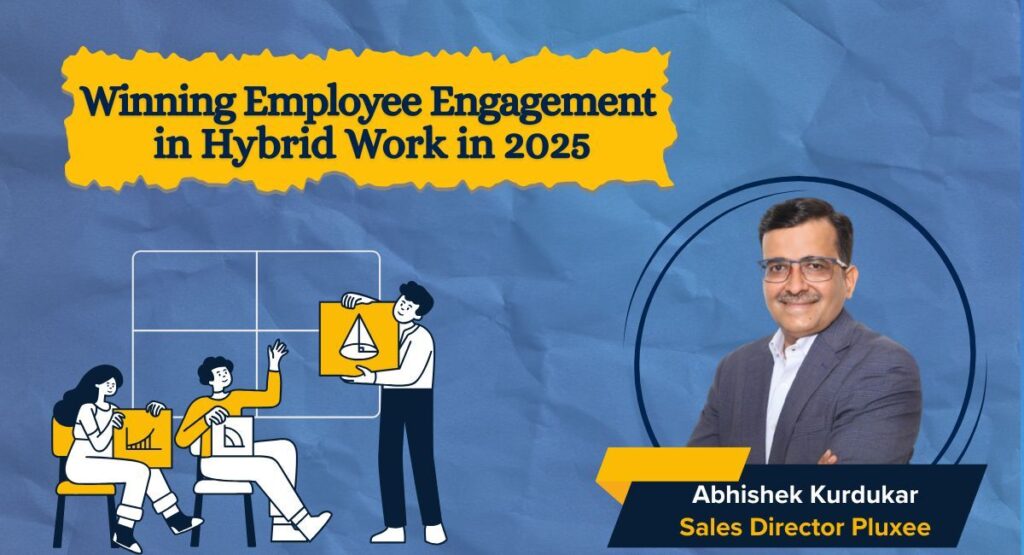


According to McKinsey, more organisations will adopt hybrid work models in the coming years. This transition has transformed traditional work dynamics, demanding newer approaches to keep employees engaged, connected, and motivated.
The workplace has evolved dramatically over the last few years. Remote and hybrid models have become mainstream, driven by digital tools and employees’ desire for flexibility. This shift has erased geographical boundaries, offering companies access to global talent while giving employees the freedom to work from anywhere. 35% of decision-makers agree that hiring remote talent internationally can improve market competitiveness. And by 2025, 60 to 90 million Indians are expected to work remotely, with 71% ranking flexible work arrangements as the top benefit.
This shift, while promising, poses challenges for engagement. Remote settings replace physical interactions with virtual connections, making employee engagement crucial yet complex.
The importance of employee engagement in a remote workplace
Employee engagement is crucial for organisational success, more so in remote settings. Engaged employees drive productivity and promote collaboration. In a virtual environment where traditional workplace dynamics are absent, nurturing engagement is essential to building a thriving and cohesive workforce.
While remote work offers employees greater flexibility and mobility, it introduces challenges for organisations, including measuring productivity and building connections across dispersed teams. Decision-makers often struggle to optimise processes and maintain alignment in such setups. Yet, the potential benefits are significant, fully remote companies report up to a 40% increase in productivity and 36% improvements in retention and engagement through effective remote hiring practices.
How to engage and retain remote employees
Engaging remote employees requires targeted strategies that address the unique dynamics of virtual work environments. A one-size-fits-all approach does not work when it comes to employee engagement. Thus, choosing what works and leaving what doesn’t is the way to go.
Establish clear communication channels
Transparent communication builds trust. When leaders drive clarity, employees are 11x more likely to find their vision actionable. Gallup’s research reveals that management quality influences engagement and well-being four times more than work location. Despite dips in leadership trust during the pandemic, clear and intentional communication can rebuild confidence, with 95% of employees expressing full trust in leaders who excel in this area.
Provide opportunities for skill development
Remote work has amplified the need for digital fluency. Employees must adapt to new tools and technologies to collaborate effectively. Organisations that invest in upskilling promote employee growth, a key priority for over 80% of modern talent in India. Offering access to training and education enhances employee satisfaction and retention and strengthens the organisation.
Recognise and reward contributions
Recognition is a powerful motivator. Simple gestures, such as a sincere “thank you” from leadership, increase the likelihood of employees going above and beyond. Personal recognition is also a key driver for quality work, with 37% of employees citing it as a motivator. Frequent affirmation and meaningful rewards reinforce employee contributions and create a culture of appreciation.
Encourage work-life balance and well-being
Remote workers often struggle with blurred boundaries between personal and professional life. Many (61%) employees value work-life balance so highly that they wouldn’t accept roles that disrupt it. Companies must actively promote clear boundaries and well-being initiatives to mitigate dissatisfaction and attrition. Focusing on wellness ensures happier, more productive teams.
Organisations like Salesforce exemplify this through initiatives such as their “Wellbeing Reimbursement Program,” which provides employees with an annual allowance to spend on wellness activities, including mental health, fitness, and personal development. They also promote clear boundaries between work and personal life, encouraging leaders to respect “no meeting” times and avoid after-hours communications.
The leadership imperative for the next 12 months
It’s clear that organisations that blend tech-driven operations with human-centric leadership will be rewarded. This is more than logistics, it’s a mindset shift.
Leaders must champion empathy, clarity, and empowerment. And HR must evolve from process execution to strategic enablement. By using AI and data-driven tools, they can design personalised engagement strategies, proactively address employee concerns, and foster meaningful growth journeys. The goal? Build workplaces where purpose meets flexibility, and performance thrives on trust.
The way forward
In a hybrid future, connection is currency. Companies that go beyond surface-level engagement and genuinely listen, support, and invest in their people will attract the best talent, and retain them. It’s time to redesign engagement not as a metric but as a mission. Because when employees feel seen and supported, they don’t just work, they thrive.