
For decades, the office job has had a reputation as the “safe” career path. No machinery, no heavy lifting, no exposure to chemicals. Just a chair, a screen, and a steady paycheck.
But the reality looks very different in 2026. Modern white-collar work has its own set of risks, and most of them don’t announce themselves with a loud incident report. They build up slowly, over months and years, until they manifest as health issues, attrition, or quiet disengagement.
Workplace safety today isn’t only about helmets and hazard signs. It’s also about the chair you sit in, the air you breathe, and the culture you log into every morning. As such, when it comes to workplace safety in India, just policy isn’t enough in 2026.
1. Prolonged Sitting and a Sedentary Lifestyle
The average corporate employee in India sits for nine to eleven hours a day. That’s longer than most people sleep.
This has given rise to the umbrella term of “Desk Job Syndrome.” It’s linked to back pain, weight gain, poor circulation, and a higher risk of cardiovascular issues. Even regular gym sessions don’t fully offset the damage from sitting for that long.
TPB Quick Fix: The solution isn’t dramatic. Standing desks, walking meetings, and a simple movement break every hour can shift the dial significantly.
2. Digital Eye Strain and Screen Fatigue
Most office workers spend over eight hours a day looking at a screen. Add personal phone use, and the number climbs higher.
The symptoms are easy to miss at first. Headaches by 4 PM. Blurred vision. Trouble falling asleep. Dry, irritated eyes. Poor lighting and small fonts make it worse. Eye strain is rarely fatal, but it chips away at productivity and well-being every single day.
TPB Quick Fix: The 20-20-20 rule (every 20 minutes, look at something 20 feet away for 20 seconds) is a low-cost place to start.
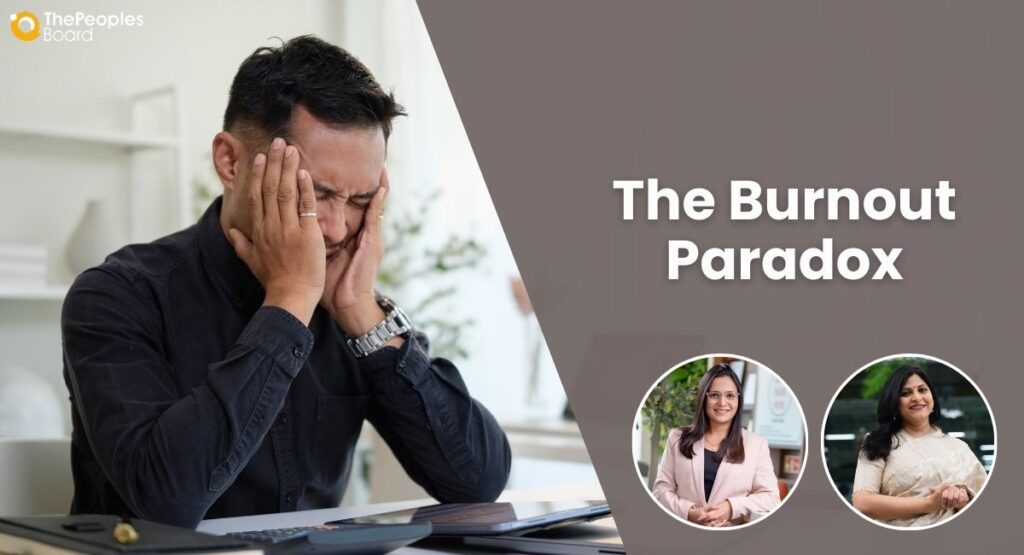
3. Always-On Culture and Burnout
The lines between work and home have quietly disappeared. Slack pings at 10 PM. Emails on Sunday afternoon. The expectation that you’ll “just hop on a quick call.”
This isn’t dedication. It’s the slow road to burnout.
A 2024 Deloitte India study found that nearly 80% of Indian professionals had experienced burnout symptoms in the past year. Chronic stress doesn’t always show up as a breakdown. Sometimes it’s just exhaustion, irritability, and people quietly checking out months before they actually quit.
TPB Quick Fix: Encourage team members at every level to stick to scheduled working hours, even in hybrid or work-from-home settings.
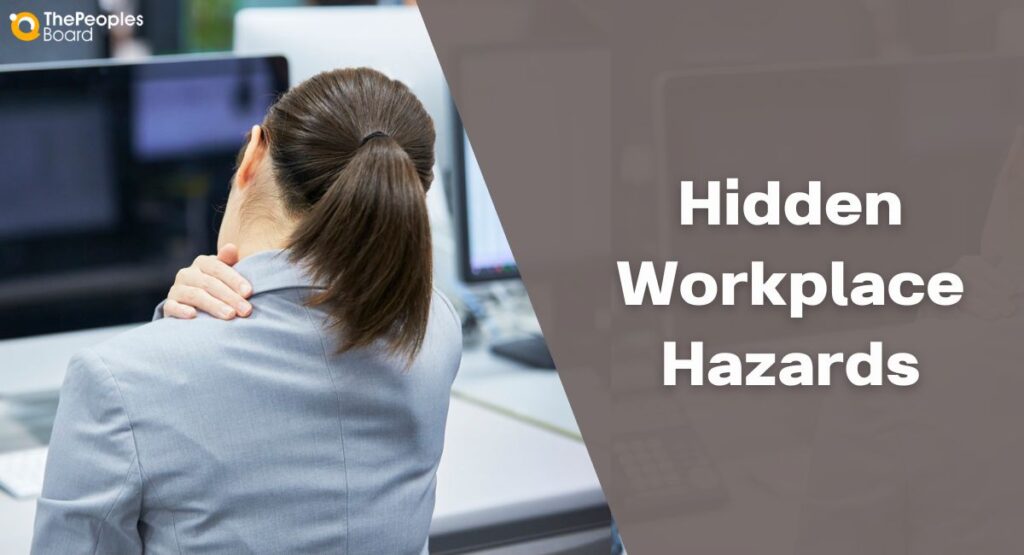
4. Poor Ergonomics
Most home-office setups in India are improvised. A laptop on a dining table. A kitchen chair. A neck bent forward for hours.
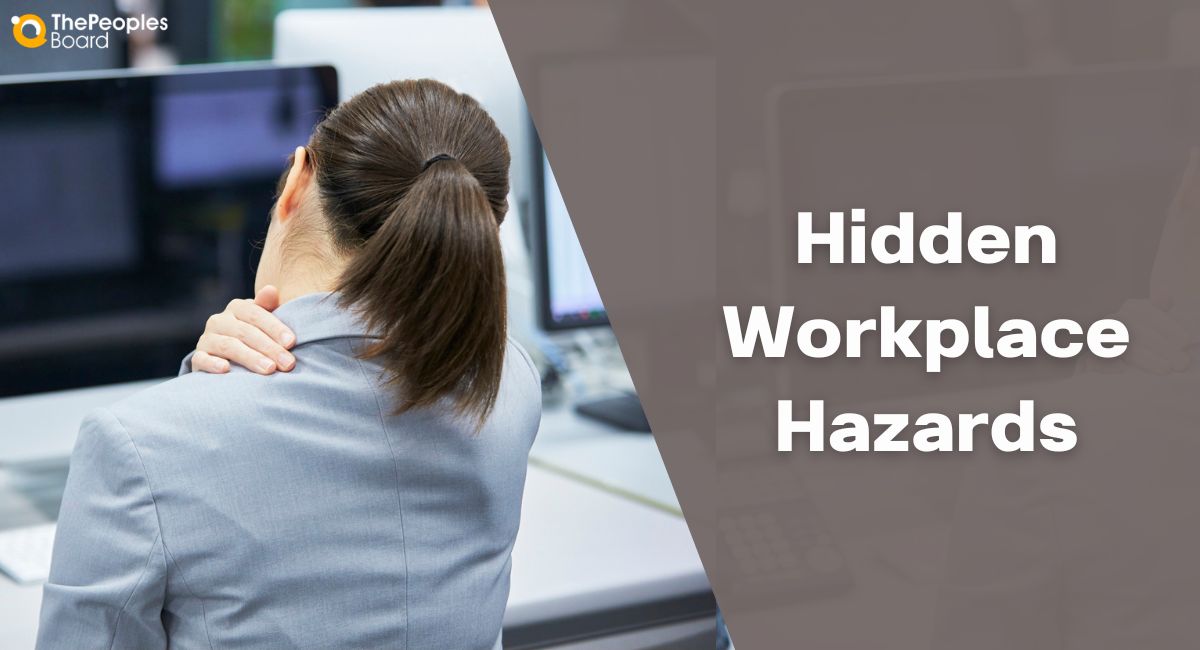
Over time, this leads to repetitive strain injuries, neck pain, and posture damage that’s hard to reverse. Wrist pain, lower back issues, and shoulder stiffness are now common complaints among employees in their late twenties.
TPB Quick Fix: Good ergonomics doesn’t have to be expensive. A laptop stand, an external keyboard, and a chair that supports the lower back can prevent years of physical wear.
5. Psychological Hazards in Low-Safety Environments
A workplace where employees are afraid to speak up is hazardous.
Blame culture, public criticism, and managers who shoot the messenger create environments where people stop raising problems. Mistakes get hidden. Bad ideas go unchallenged. Talented employees disengage and eventually leave.
Psychological safety isn’t a soft concept. It’s directly linked to retention, innovation, and team performance. HR teams that don’t measure it are missing one of the most important indicators of organisational health.
TPB Quick Fix: Hold managers to the same level of conduct expectation as the employees. The behaviour that might land a junior employee in trouble should not be ignored from leaders.
6. Noise and Cognitive Overload in Open Offices
Open-plan offices were sold as collaboration zones. In practice, they often become productivity sinks.
Constant chatter, ringing phones, and walk-up interruptions break focus every few minutes. Research shows it can take 23 minutes to fully refocus after a single distraction. By the end of the day, employees feel drained without quite knowing why.
TPB Quick Fix: Quiet zones, focus hours, and the option to work from home for deep tasks aren’t luxuries anymore. They’re operational necessities.
7. Indoor Air Quality and Ventilation Issues
This one rarely makes it onto safety audits, but it should.
Poorly maintained HVAC systems, low fresh-air circulation, and overcrowded office floors create stale, CO2-rich air. The effects are subtle but real. Afternoon fatigue, low-grade headaches, and reduced concentration are often blamed on the employee when the building is the actual culprit.
In Indian metros, where outdoor air quality is already a concern, indoor air becomes even more important.
TPB Quick Fix: Regular HVAC servicing and air-quality monitoring are basic hygiene factors that many employers still overlook.
8. Invisible Work Pressure from Productivity Tracking
Keystroke loggers. Screen-time monitors. Idle-time alerts. Surveillance tools have quietly become part of the modern workplace, especially in hybrid setups.
The intent might be accountability. The outcome is often anxiety. Employees start performing busyness instead of doing meaningful work. Trust erodes. Stress climbs.
TPB Quick Fix: Monitoring isn’t inherently wrong, but heavy-handed surveillance signals one thing clearly: the company doesn’t trust its people. And that message tends to come back as attrition.
In the End…
The hazards in modern offices are quieter than the ones our parents worried about, but they are no less serious. Burnout, eye strain, poor air, and surveillance fatigue are reshaping what workplace safety actually means.
Companies that still treat safety as a fire-drill compliance exercise are missing the point. The new safety frameworks have to be holistic. They need to cover physical ergonomics, mental health, cultural psychological safety, and the digital environment employees live in every day.
This is where HR comes in. Identifying these risks, measuring them honestly, and pushing leadership to act on them isn’t an extra responsibility. It’s the core of the job now.
A safe workplace in 2026 isn’t just one where nobody gets hurt. It’s one where people can do their best work without slowly being worn down by the environment around them.
FAQs
What are the most common workplace hazards in Indian offices?
The most common hazards in Indian office environments include prolonged sitting, digital eye strain, burnout from always-on work culture, poor ergonomics in home-office setups, and low psychological safety. Many of these risks build up silently over months before showing up as health issues or attrition.
How does sitting for long hours affect office employees in India?
The average corporate employee in India sits for nine to eleven hours a day, making sedentary behaviour one of the biggest physical risks in white-collar jobs. It’s linked to back pain, poor circulation, weight gain, and a higher risk of cardiovascular disease. Regular movement breaks and standing desks can help reduce this risk significantly.
Is burnout considered a workplace hazard in India?
Yes. A 2024 Deloitte India study found that nearly 80% of Indian professionals reported burnout symptoms in the past year. Always-on work culture, blurred work-life boundaries, and the pressure of hybrid setups are key contributors. HR teams are increasingly expected to treat burnout as an occupational health issue, not a personal one.
What is psychological safety and why does it matter at work?
Psychological safety refers to an employee’s ability to speak up, raise concerns, and take risks without fear of blame or public criticism. When it’s absent, mistakes get hidden and talented people disengage. It’s directly linked to team performance, innovation, and retention, making it one of the most important indicators of organisational health.
How can HR teams address poor ergonomics in hybrid workplaces?
HR teams can start by conducting a basic ergonomics audit for home-office setups, providing stipends or guidelines for essentials like laptop stands, external keyboards, and supportive chairs. For office spaces, regular ergonomics reviews and posture-awareness programmes go a long way in preventing long-term musculoskeletal issues.
Does employee productivity monitoring create workplace stress?
It can. Surveillance tools like keystroke loggers and screen-time monitors can lead to anxiety and performative busyness rather than meaningful work. When monitoring is heavy-handed, it signals a lack of trust, which often comes back as disengagement and attrition. The intent behind monitoring must be balanced against its impact on employee wellbeing.