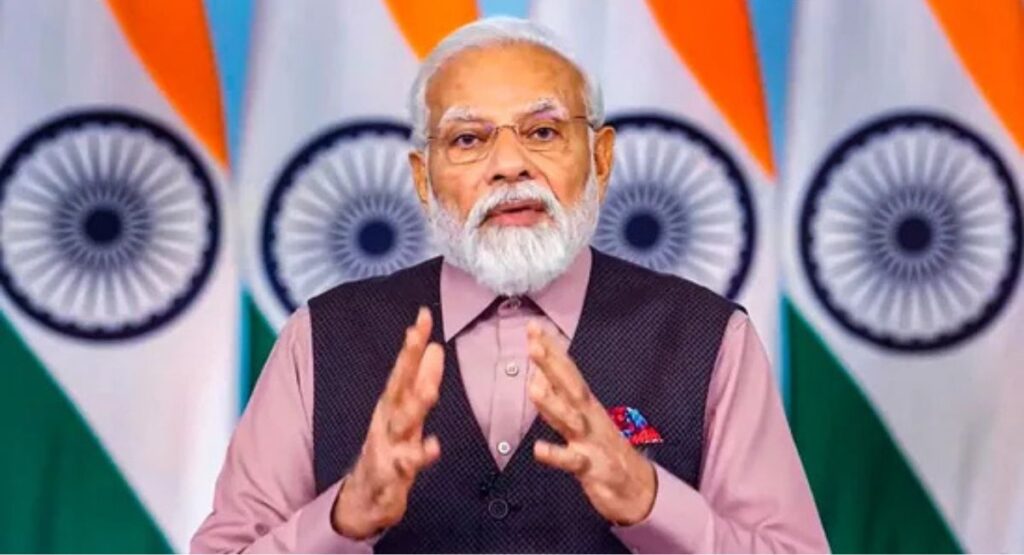
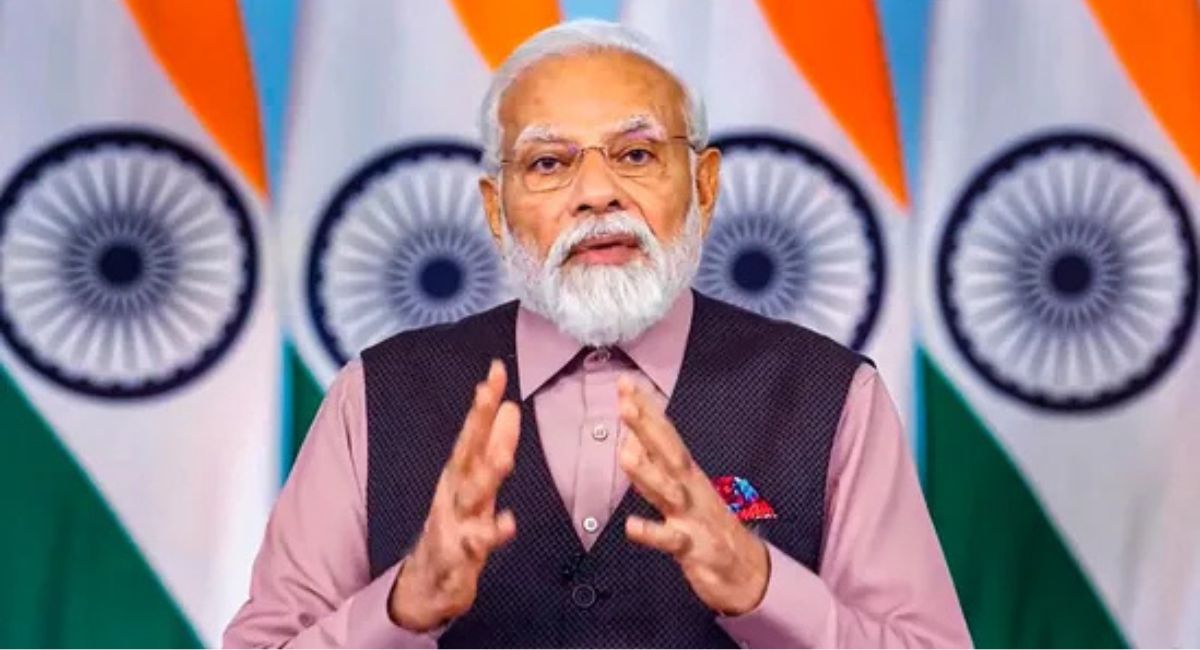

India will add about 500 GW of new non-fossil power generation capacity over the next 10 to 11 years, and the renewable energy sector will throw up investment opportunities exceeding ₹20 lakh crore by the end of the decade, Prime Minister Narendra Modi said on Monday, 2 November, at the inaugural session of the Bharat Renewable Energy Summit and Expo 2026 at Bharat Mandapam, New Delhi.
“Now, in the coming 10-11 years, our effort will be to add 500 GW of new non-fossil capacity. This target is somewhat difficult, but I have faith in the capabilities of our country. And therefore, I say, we will do it!” Modi said. The PM noted that India’s installed non-fossil power capacity has already crossed 300 GW and that the earlier target of 500 GW by 2030 remains firmly on course.
Modi placed the opportunity in sharper financial terms. India has drawn more than ₹15 lakh crore in renewable energy investments over the past decade, he said, of which ₹6 lakh crore has come in since the 2024 RE-INVEST Summit alone. The government, he added, expects the clean-energy investment opportunity to exceed ₹20 lakh crore (about USD 220 billion) by the end of the decade as the country expands renewable generation, transmission infrastructure, manufacturing and green hydrogen.
The Prime Minister also flagged a ₹2 lakh crore outlay for the second phase of the Green Energy Corridor, the inter-state transmission network built to evacuate power from new renewable capacity. He added that India now ranks among the top three countries globally in solar and renewable energy.
Union Minister for New and Renewable Energy Pralhad Joshi, speaking on the sidelines of the summit, said the sector has drawn investments exceeding ₹6 lakh crore (about USD 67 billion) over the last two years alone.
“Over the last two years, investments exceeding six lakh crore rupees have come into this sector, and I am highly optimistic about the upcoming outcomes as well,” Joshi said. As per the minister, the summit drew investors and representatives from more than 30 countries, five Chief Ministers, two Deputy Chief Ministers and several state ministers.
Modi framed the renewable push as central to India’s long-term economic security, arguing that continued dependence on fossil fuels carries risks tied to geographically concentrated reserves. He said the country’s economic growth remains strong despite the ongoing West Asia crisis.
The 500 GW roadmap signals sustained hiring demand across solar manufacturing, wind, green hydrogen, grid-scale storage, EPC services and transmission over the next decade.