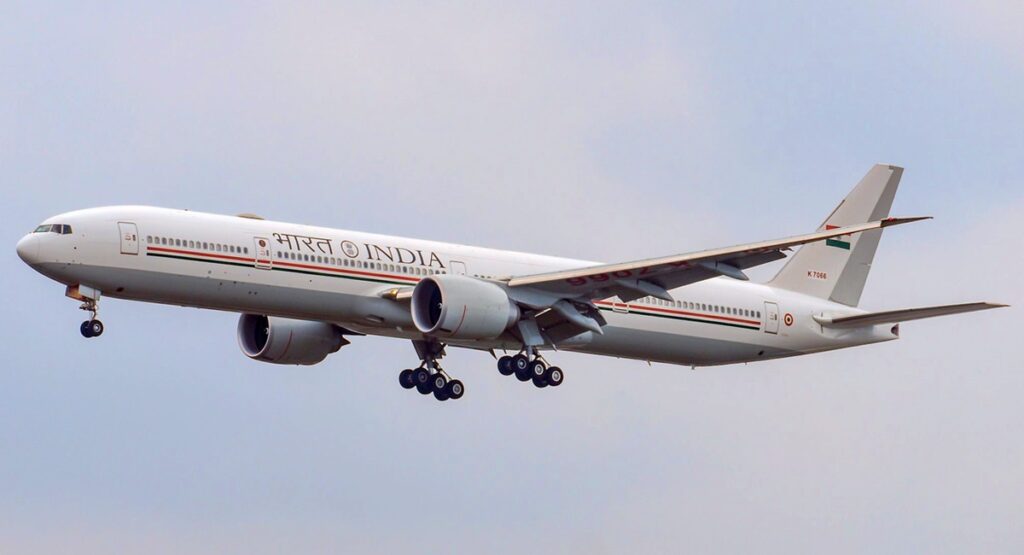

The Directorate General of Civil Aviation (DGCA) has given airlines more time to implement a key change to pilot rest rules, which will come into effect on November 1, as per the documents reviewed by the Economic Times.
In early 2024, DGCA changed the definition of night hours for pilots, extending it from 5 AM to 6 AM. Additionally, the regulatory body had capped the number of possible landings during a night shift to two and the duty period to no more than 10 hours.
However, DGCA has apparently decided to relax the night-shift landing hour limits. For those pilots whose night shift duties fall between 12 AM and 1:55 AM or 5 AM and 6 AM, the maximum number of allowed landings has been extended to three. However, DGCA also mandated that airlines provide a rest period equal to twice the number of duty hours while operating such flights.
DGCA has apparently planned on implementing the change early on, but the airline apparently persuaded the regulatory body to postpone it by almost a year. ET shared that the people aware of the development believe that the extension has been given for six months to allow for a smooth implementation.
“Airlines cited operational constraints. So a relaxation was allowed, but it has been mandated that pilots get more rest if they fly more during the night hours,” said a government official.
However, pilots’ unions seemingly believe that granting such dispensations or waivers defeats the purpose of framing regulations.
“The whole idea of framing rules on duty time limitations was based on extensive research and scientific study on human fatigue. Granting dispensations or deviations from defeats the very purpose of its creation and undermines the scientific basis on which it stands,” the Airline Pilots’ Association of India (ALPA) told ET.
DGCA is coming up with new rules for pilots after repeated complaints from pilots about being stretched thin. Many stated that the existing regulations were leading to chronic fatigue, increasing the concerns surrounding safe landings and aviation safety.
Airlines do seem to believe that they now have the capability to implement the new regulations efficiently.
“We have an adequate number of pilots to meet the increased requirements in the immediate future. However, we will continue to review pilot staffing based on our ongoing expansion of fleet and network,” an Air India spokesperson shared with ET.
Last month, DGCA released a draft framework of its planned regulations for consultation from the industry. In it, DGCA stated that the airlines may continue under the existing prescriptive model or opt for the Fatigue Risk Management System (FRMS) as an alternative. However, the airlines will then have to demonstrate through data and monitoring that safety will not be impacted.
In FRMS, airlines collect data and analyse it using software to monitor fatigue-inducing patterns or incidents among their pilots. Global aviation watchdog ICAO prescribes the use of FRMS against the traditional approach of regulators prescribing limits. Many airlines are also inclined to shift to FRMS to accommodate the increasing number of aircraft and other factors.