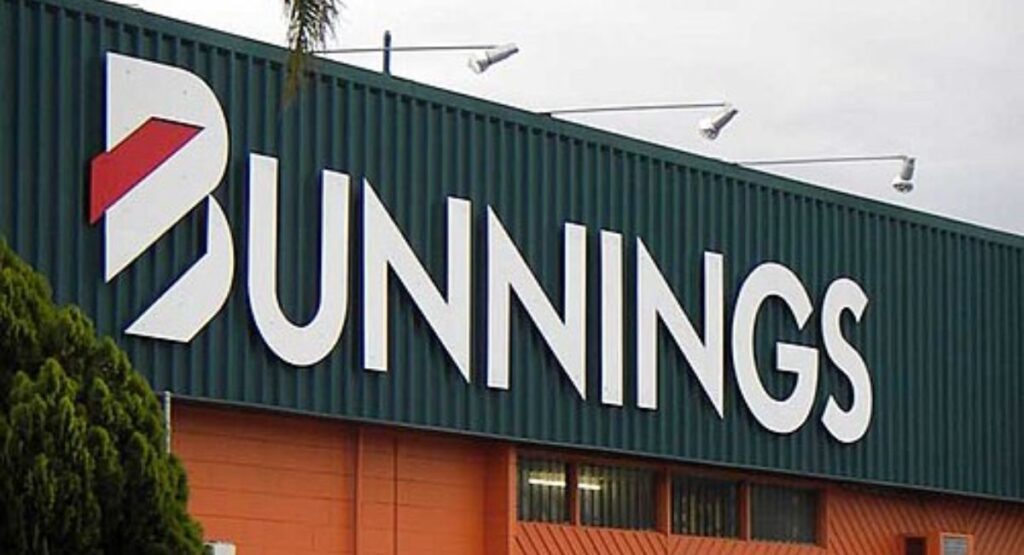

India’s largest IT services company Tata Consultancy Services (TCS) has landed another major Australian retail client, signing a multi-year technology services agreement with hardware giant Bunnings that will see the Wesfarmers-owned chain cut around 230 permanent tech roles and end 120 contractor agreements in Australia, and shift much of the work to TCS delivery teams based in India, the Philippines and onshore Australia.
The restructure, announced by Bunnings on 17 November 2026, affects roughly 350 positions in total. The retailer will retain a core in-house technology team of about 500 people in Australia, with the rest of its technology services delivered by TCS. The transition begins in December 2026 and runs through to June 2027. For TCS, the deal adds to an Australian retail client book that already includes Woolworths and extends a three-decade run in the country, during which it has built a Sydney innovation centre and offices in Sydney, Melbourne, Brisbane, Perth and Canberra, supported by delivery hubs across India.
Much of the Bunnings technology work is expected to be delivered from TCS’s India footprint. The company runs delivery centres in Mumbai, Bengaluru, Chennai and Hyderabad, among other Indian cities, and told iTnews earlier that its Australia and New Zealand business is supported by roughly 20,000 associates spread across India, Australia and the wider region. Vikram Singh leads TCS’s Australia and New Zealand business as country head.
In a statement, Bunnings managing director Mike Schneider framed the shift as a response to the pace of change in retail technology. “This is a necessary but important change. We need a technology model and partner that keeps pace with our customers so that we can continue to deliver the service, value and helpful advice people expect from us,” Schneider said.
Bunnings chief information officer Genevie Elliott, who briefed staff in a virtual meeting on Tuesday, said bringing in TCS would give the retailer “specialist expertise and global retail experience” and added, “We need a model that allows us to remain competitive without continually increasing our costs. This partnership will help us do that.”