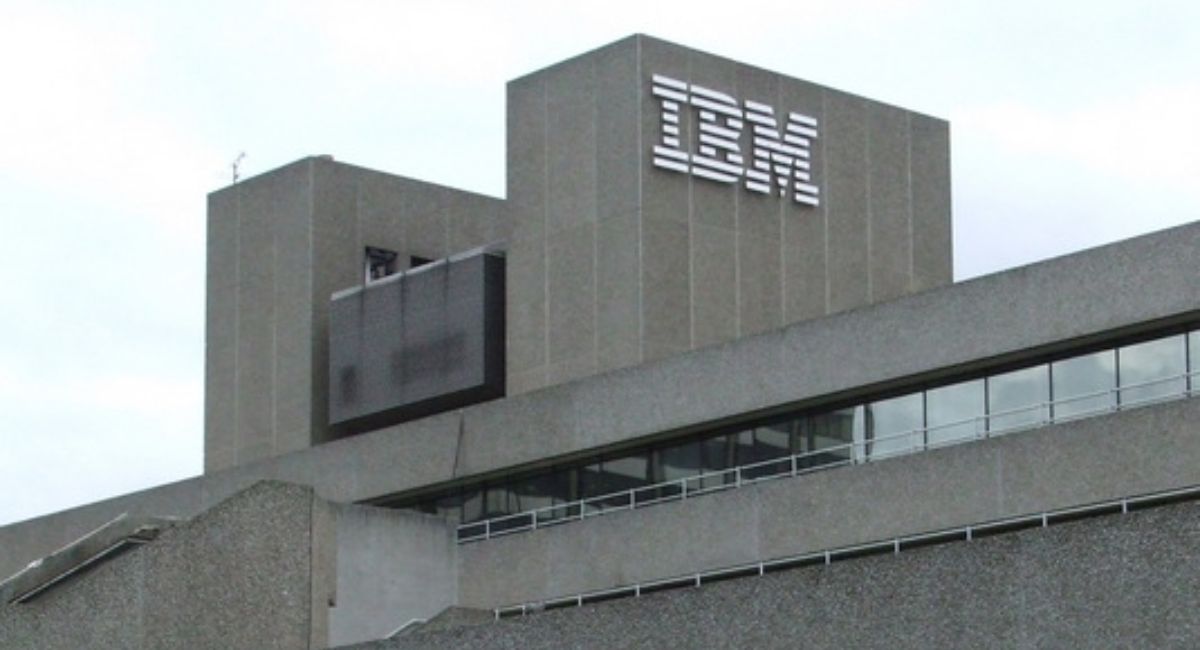

IBM is in talks with at least two more state governments to set up quantum computing partnerships in India, Chairman and Chief Executive Officer Arvind Krishna said at a media roundtable in New Delhi on Monday, extending the model being rolled out through its first installation at Amaravati in Andhra Pradesh.
“We have at least two other, if not more, similar tie-ups in the works,” Krishna said. The Amaravati quantum computer, which he had earlier confirmed would be among the first two IBM Quantum Systems deployed in India, is set to go live early next year, with components arriving this month.
Krishna used the same briefing to detail IBM’s broader India commitment. The company spends about $3 billion a year in India, which Krishna said has been rising consistently over the past two decades. It has large development centres in Bengaluru, Hyderabad and Pune and a smaller presence in Delhi. Globally, IBM has committed to invest $10 billion in quantum computing over the next five years.
He also sounded a caution on jobs and global mobility. Krishna said AI could displace 10% to 20% of jobs over the next decade, calling the absolute number “fairly large” even if the percentage sounds modest. On talent flows, he said “company-sponsored visa movements” are set to decline sharply as immigration frameworks tighten across major markets. He added that India should accelerate AI adoption across business and government, rather than concentrate resources only on building large language models.
The quantum partnerships add to IBM’s existing GovTech push in India. The company recently inaugurated an AI GovTech Innovation Center in Lucknow backed by two memorandums with the Uttar Pradesh government, and it continues to work with the Union Education Ministry on integrating AI and quantum computing into school and higher education curricula. In October this year, IBM’s India AI software lab in Lucknow was approved by the central government.