
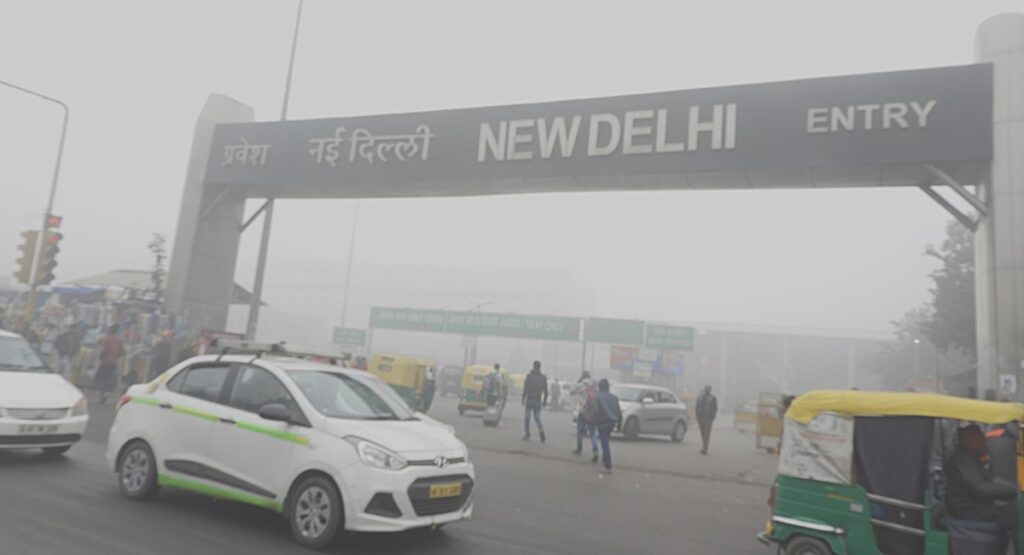
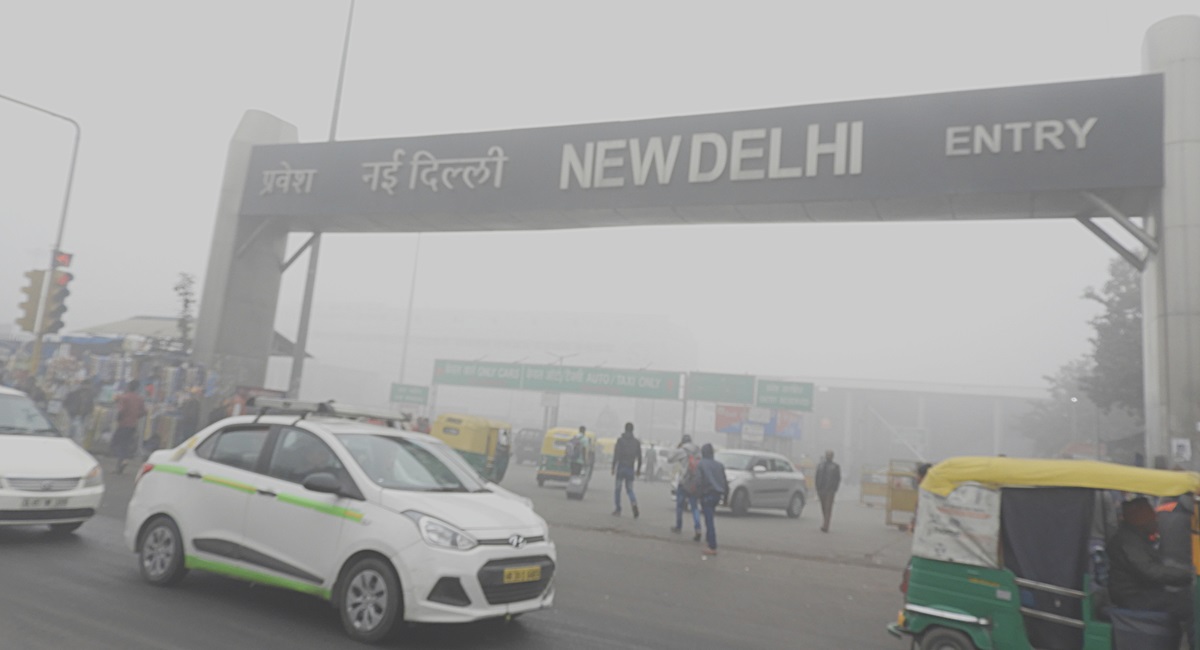

The Delhi Government has notified a permanent winter pollution master plan that will require 50% of employees in government and private offices to work from home every year between November 1 and January 31.
According to a press release from the Department of Environment and Forest, the broader framework, covering vehicle curbs, construction dust rules, and open-burning enforcement, will automatically take effect annually from November 1 to February 28, removing the need for separate orders each year.
The 50% work-from-home mandate itself applies to a narrower window within that period, running from November 1 to January 31. Delhi Chief Minister Rekha Gupta said the plan consolidates existing orders into a single system to ease compliance and improve enforcement, noting that the city’s average Air Quality Index between November 1 and February 15 ranged from 312 to 342 over the past three winters, with peaks reaching between 461 and 494.
“The notification is based on a detailed study of experience and air quality data,” Gupta said. She added that from November 1 to January 31, only half of employees in government and private offices will attend the workplace at any given time, with the rest working from home. Administrative Secretaries, Heads of Departments, and staff in essential services such as hospitals, fire services, public transport, and sanitation will be exempt and required to attend office regularly.
The policy also introduces staggered office timings, with Municipal Corporation of Delhi offices operating from 8:30 AM to 5:00 PM and Delhi Government offices from 10:00 AM to 6:30 PM during the winter period. Private establishments have been directed to stagger working hours, support work-from-home arrangements, and encourage carpooling and public transport use. Only BS-VI compliant vehicles from outside Delhi will be permitted entry during the restricted period, and parking charges will be doubled.
The move reflects a broader shift among Indian employers and policymakers toward institutionalising flexible work arrangements as a public health response, rather than treating remote work as a discretionary perk tied solely to business continuity.



