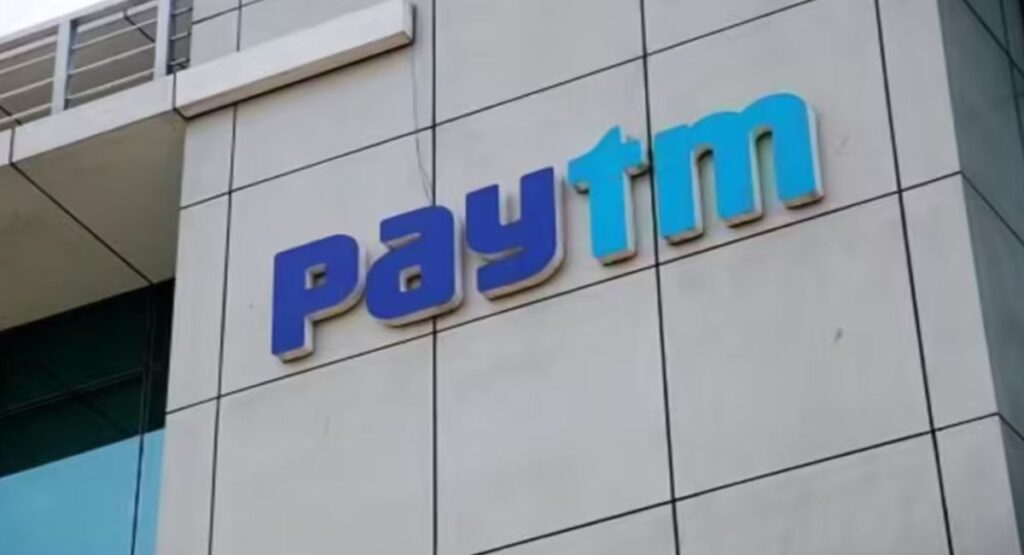
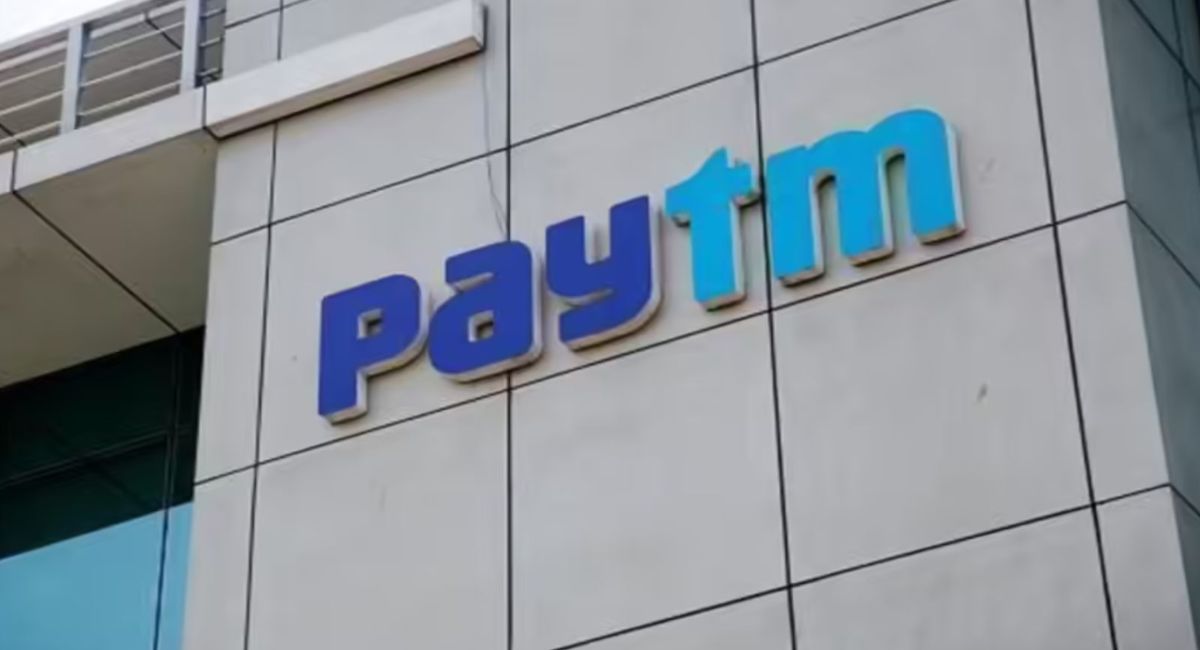

Paytm plans to hire around 4,000 employees over the next nine months, a roughly 10% expansion of its workforce, as the fintech doubles down on artificial intelligence, merchant services, and technology-led financial products. The recruitment drive, which includes senior leadership roles, runs through March 2027 and spans product, technology, and AI teams. At the same time, the company is cutting about 1% of its staff, or roughly 400 people, after the current appraisal cycle.
Paytm currently employs about 40,000 people. “Over the last two months, we have added more than 800 people and are in the process of recruiting a further 4,000,” the company said in a statement. The simultaneous hiring and trimming captures a pattern now common across Indian tech: invest hard in AI and high-value engineering while shedding roles automation has made redundant.
“Over the last two months, we have added more than 800 people and are in the process of recruiting a further 4,000,” a Paytm spokesperson said.
The hiring push comes as parent One97 Communications recovers from regulatory trouble at its banking arm. Paytm has posted four straight profitable quarters, with net profit of Rs 183 crore in the quarter ended March 2026 and revenue from operations up over 18% to ₹2,264 crore. The turnaround follows a hard stretch: the company cut more than 4,500 jobs after the Reserve Bank of India forced the wind-down of Paytm Payments Bank, cancelling its operating licence.
The context outside India sharpens the contrast. Reuters reported that more than 140 companies globally cut over 111,000 jobs in 2026 while pouring money into AI, with Microsoft, Meta, and Amazon among them. PwC’s Global AI Jobs Barometer found that workers with AI skills command wage premiums averaging 56%, and that AI-exposed industries saw productivity grow nearly four times faster. The takeaway isn’t fewer jobs, it’s different jobs.
CEO Vijay Shekhar Sharma is steering the company toward getting more of its registered users onto loans, investments, and other financial products. Whether the 4,000 hires translate into that deeper monetisation, against a backdrop of AI-driven cuts elsewhere, is the test for the months ahead.