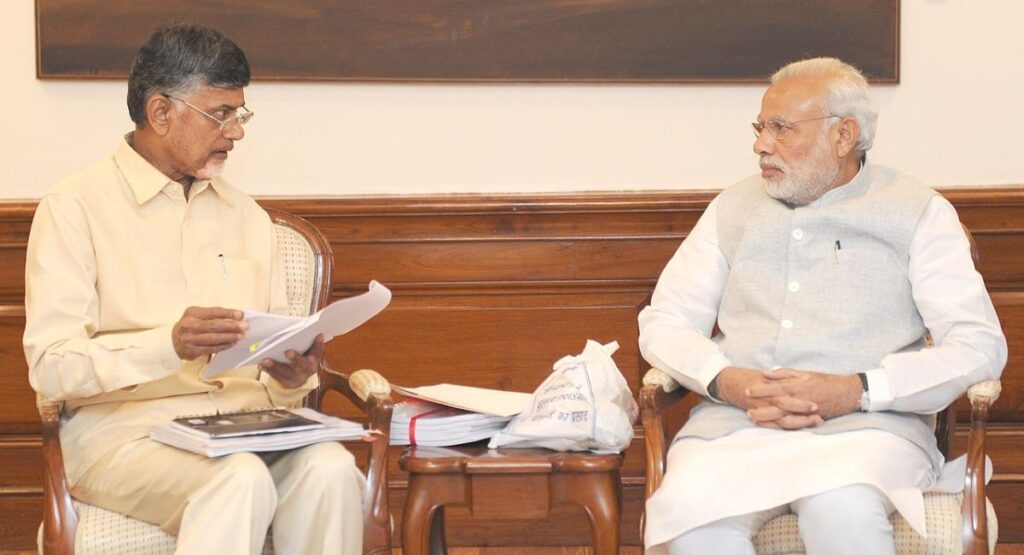
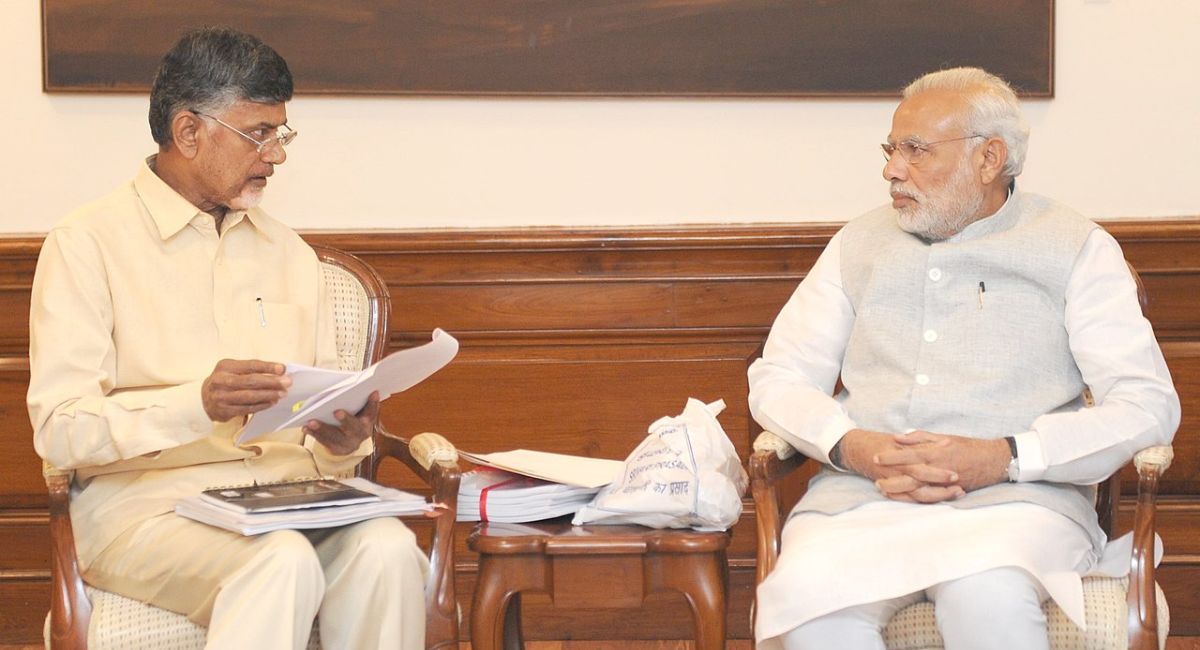

The Andhra Pradesh government has decided to examine the feasibility of a two-day-a-week work-from-home arrangement for state government employees in select departments. The decision was taken at a State Cabinet meeting chaired by Chief Minister N Chandrababu Naidu on May 13, and forms part of a wider austerity package responding to Prime Minister Narendra Modi’s appeal for fuel conservation amid the West Asia conflict.
Under the proposed “My country, my responsibility” initiative, the Cabinet has cleared a set of measures aimed at curbing fuel use and reducing avoidable expenditure. These include a “No Vehicle Friday” every week, a reduction in the number of vehicles in official convoys, a “No Bike Day” for colleges and universities on designated days, and a directive to conduct internal meetings virtually wherever possible.
“If ministers and officials cycle to the Secretariat once a week, it will positively impact the public,” said Kolusu Parthasarathy, Minister for Information and Public Relations, briefing the media after the Cabinet meeting.
The Chief Minister has also urged public representatives and elected officials to use public transport at least once a week, and asked the government to monitor fuel consumption across departments on a weekly basis. The Cabinet has further pushed for higher use of non-conventional energy sources and encouraged citizens to limit gold purchases and foreign travel as part of the same austerity drive.
Andhra Pradesh’s decision sits alongside similar moves in other states. Earlier in the week, Tripura introduced a 50% work-from-home rule for sections of its government workforce, while the Uttar Pradesh government proposed a two-day WFH model covering IT firms, startups and large industrial units. Shaadi.com founder Anupam Mittal and RPG Group Chairman Harsh Goenka have publicly aligned their company policies with the same fuel-conservation push.
The proposal lands at a time when AP has been actively positioning WFH as a structural workplace option rather than a temporary response. In February 2025, the state had already announced a focused WFH push for women under its IT and GCC Policy 4.0. The latest Cabinet decision broadens that policy direction to the wider government workforce.
For HR practitioners in the state, the policy could open up a precedent for further private-sector adoption, especially among large GCCs in Visakhapatnam and Amaravati. State officials have said specifics around eligibility, technology infrastructure and reporting structures will be worked out in the coming weeks before any formal advisory is issued.