
In late October 2025, when the Directorate General of Civil Aviation (DGCA) relaxed nighttime constraints for pilots and airlines, the Airline Pilots’ Association of India (ALPA) claimed that such relaxations in Flight Duty Time Limitations (FDTL) defeat their very purpose.
“The whole idea of framing rules on duty time limitations was based on extensive research and scientific study on human fatigue. Granting dispensations or deviations from defeats the very purpose of its creation and undermines the scientific basis on which it stands,” ALPA had said to the Economic Times.
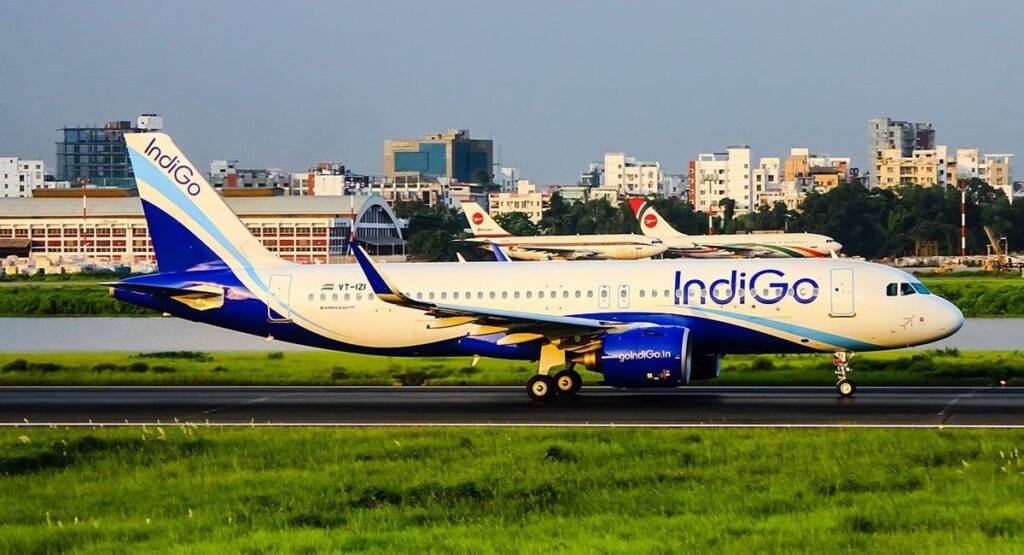
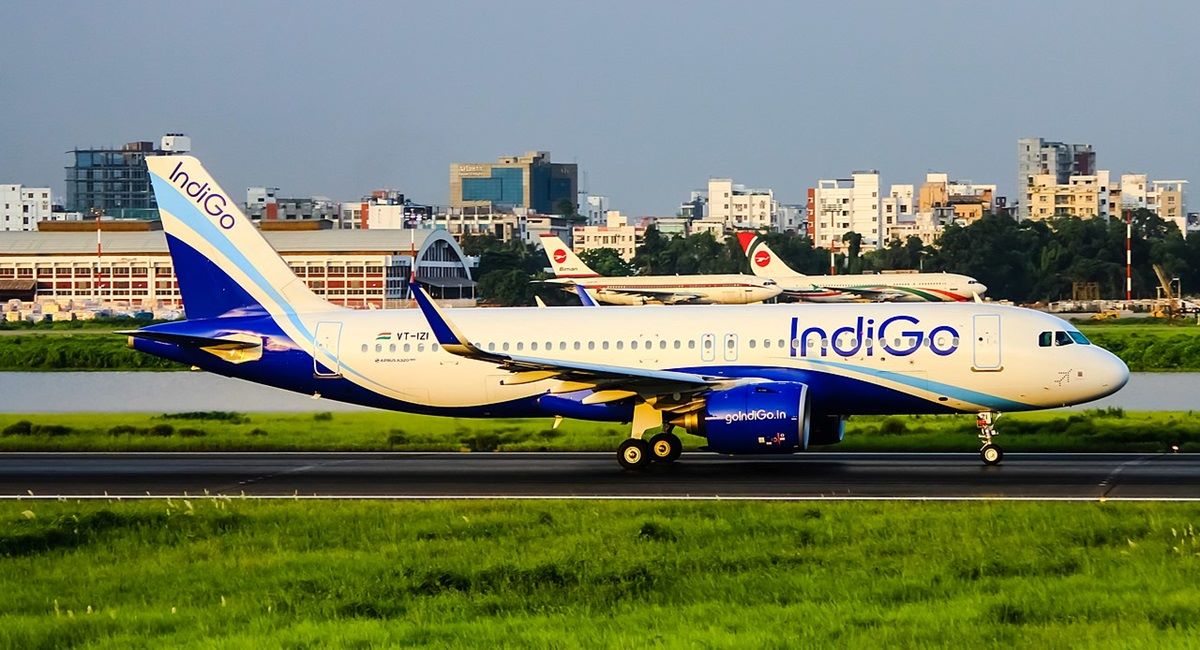
And it seems like ALPA’s concerns were not completely unfounded. For the past couple of days, IndiGo Airlines has captured headlines for cancelling nearly 600 flights due to a lack of pilot availability.
Given the widespread disruption of air traffic over just a couple of days, the DGCA granted IndiGo Airlines a one-time temporary exemption from specific Flight Duty Time Limitations (FDTL) to stabilise operations and reduce passenger disruptions. This exemption will remain in effect until February 10, 2026.
Though certainly a relief for many passengers, it raises the question of who will ultimately bear the cost of these exemptions. For the pilots in India, the restrictions had been implemented for the sake of their health and the safety of their passengers. However, the backtracking has left many feeling bereft, including the members of ALPA.
“During our meeting on 24 November 2025, it was unequivocally agreed that no dispensation, exemption, or variation, particularly those motivated by commercial interests, would be granted to any operator,” ALPA reminded DGCA in a strongly worded letter.
“The consensus was clear: FDTL norms exist solely to safeguard human life, and any dilution of these limits would expose pilots, passengers, and aircraft to unacceptable risks.”
Like every airline in India, IndiGo had nearly two years to make changes to help implement the FDTL rules. As such, the recent mass cancellations have been considered gross mismanagement by many, with the result ultimately being the relaxation of crucial safety guidelines and the benefits of employed pilots.