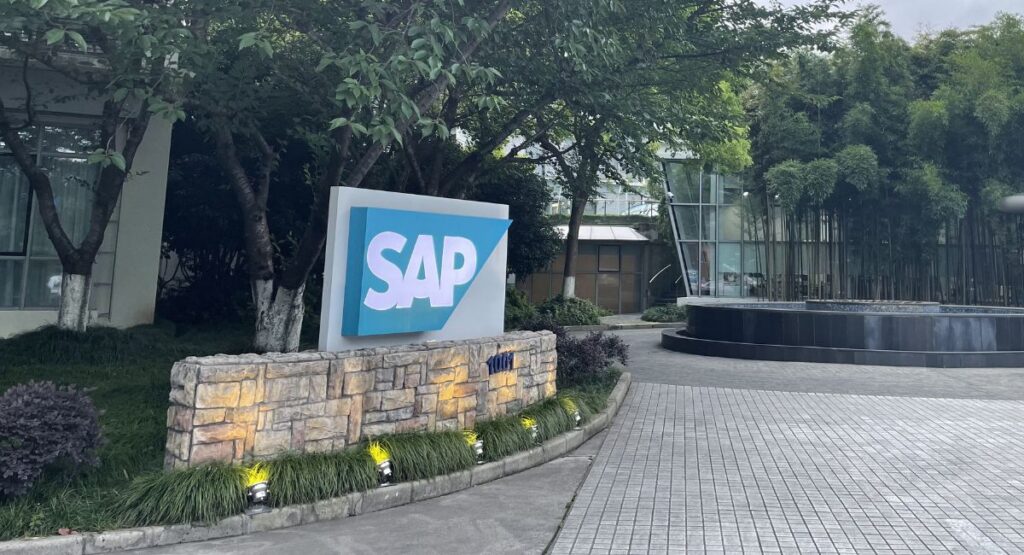

SAP SE (NYSE: SAP) and TechWolf announced on 6 October 2026 that they have entered into a definitive agreement for SAP to acquire TechWolf, a Belgium-based provider of an AI work intelligence platform. The deal is expected to close in the fourth quarter of 2026, subject to customary closing conditions including regulatory approval.
The acquisition will bring TechWolf’s proprietary data model, which the companies call a “context graph for work,” along with its AI models and applied AI research team, into SAP. SAP said in its release that TechWolf “is expected to become an intelligent core of the SAP SuccessFactors portfolio, supporting the company’s talent and work intelligence strategy.” The platform is set to power skills mapping, workforce planning and organisational redesign across SuccessFactors.
Financial terms were not disclosed. Following closing, SAP expects TechWolf to continue operating as an independent entity under CEO Andreas De Neve, with its headquarters in Ghent and offices in London, New York and San Francisco. The platform will remain available to both SAP and non-SAP customers.
In a CEO letter published by TechWolf, De Neve wrote: “Big news from the wolfpack: we’ve signed a definitive agreement for SAP to acquire TechWolf, subject to customary closing conditions.” He added that TechWolf would “continue to serve all of our customers, whether they are SAP customers or not,” noting that a portion of its customer base uses other HCM systems and that many customers leverage TechWolf through agents such as ChatGPT, Claude and Copilot.
The founders, team and investors have committed 3% of the equity value of the sale to a newly founded TechWolf Foundation, a charity aligned with the company’s stated mission.
TechWolf’s existing SAP partnership predates the deal. The company achieved SAP Spotlight+ designation in the SAP Store in August 2026 and was previously backed by SAP in its Series B round alongside Workday and ServiceNow.
The acquisition sits within a broader shift among large HCM vendors toward skills-first workforce planning, as enterprises respond to AI-led changes in job design.