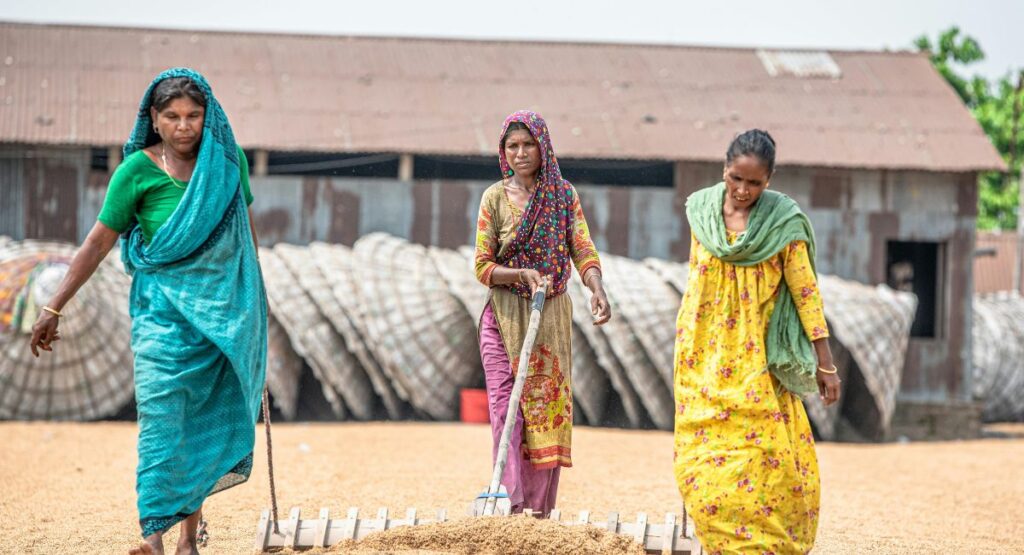
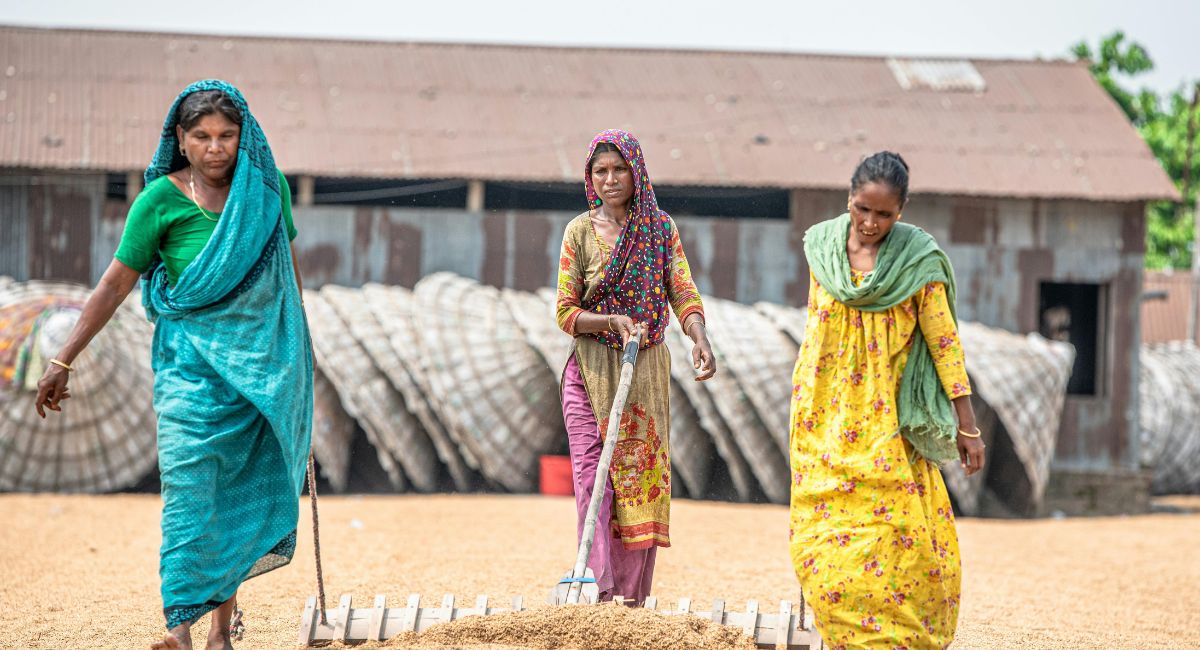

India aims to raise its female labour force participation to 55% by 2030 from 41.7% in FY2024.
The increase in female participation is meant to be achieved through measures such as flexible jobs, equal pay, safer workplaces, better childcare support, and formally acknowledging the role of unpaid care work in the economy. The government aims to work on all fronts to ensure that women in any working group with a willingness to work join the workforce.
“The ministry of labour and employment is working on measures such as flexible and remote work arrangements, equal pay for equal work, safe workplaces and affordable childcare, among others, to incentivise women to join the workforce,” a senior government official told the Economic Times.
India’s female labour force participation rate (FLPR)stood at 34.1% in the last seven days of September 2025 and at 33.4% during the April-June 2025 quarter. FLPR takes into account women aged 15 years and above who are either employed or actively seeking work during a year.
The ministry hopes to increase the FLPR by at least one-third by 2030 with the aim of securing gender justice in India. Inter-ministerial discussions are also in progress to develop and formalise the care economy in India, which is likely to create millions of jobs, mostly for women.
According to the International Labour Organisation (ILO), investing approximately 2% of India’s GDP in the care sector is likely to create 11 million new jobs, with 70% of these positions expected to be filled by women. ILO estimates that unpaid and domestic work in India can be valued at about 10-39% of the country’s GDP.
If the time spent on unpaid care work were evaluated as per an hourly minimum wage, the ILO believed that it would amount to 9% of global GDP, which corresponds to $11 trillion. The Labour Ministry and the central government are expected to create and implement policies to attract more and more women to the workforce. This will likely be followed by incentivising states and corporations to hire more women.