
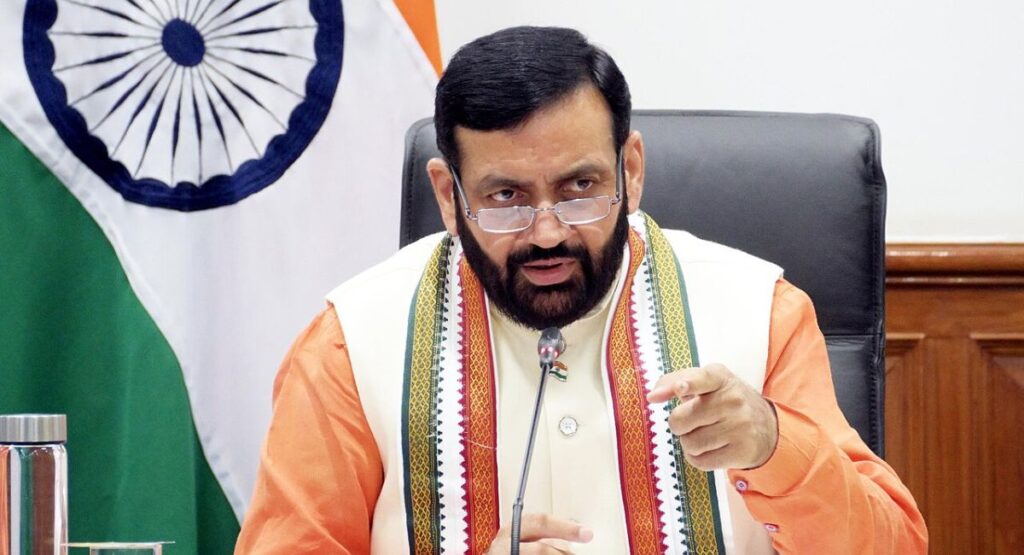
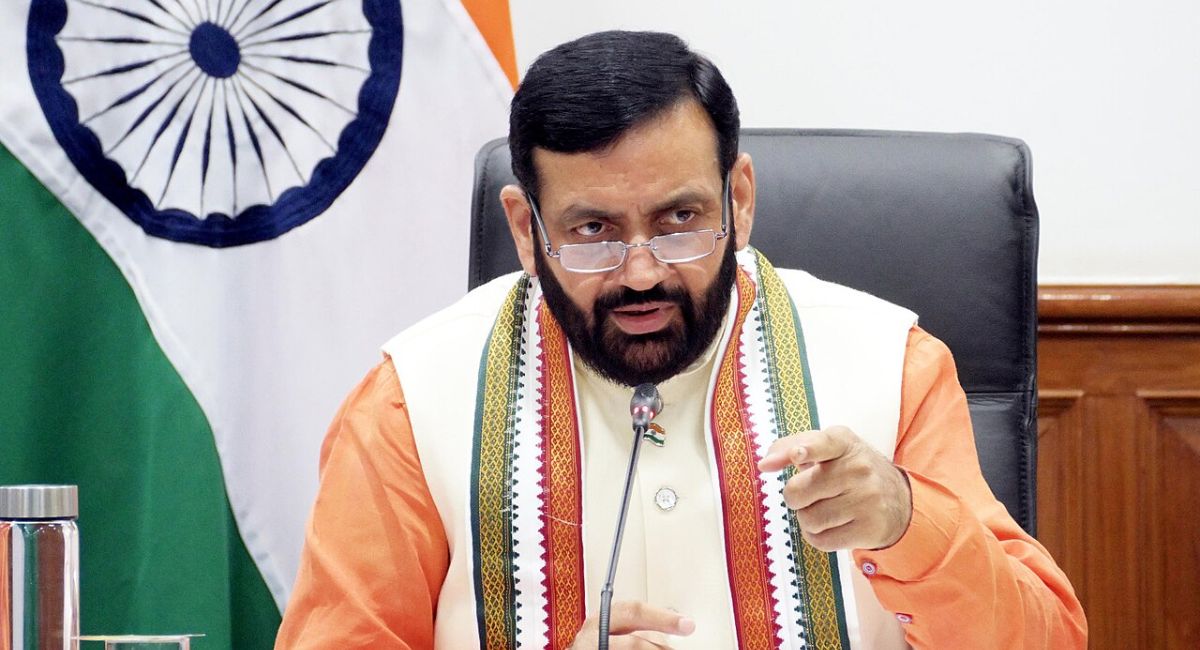

The Haryana Cabinet has cleared the Make in Haryana Industrial Policy 2026, targeting ₹5 lakh crore in fresh investment and 10 lakh new jobs over the next five years. The policy, approved at a Cabinet meeting chaired by Chief Minister Nayab Singh Saini on Monday, 18 May 2026, replaces the Haryana Enterprises and Employment Policy (HEEP) 2020.
Saini said the policy framework focuses on accelerating industrial growth while creating large-scale employment opportunities across the state. The Cabinet had received 109 suggestions from industrialists, traders, and other stakeholders during the consultation phase, most of which have been incorporated into the final policy.
The biggest shift for HR and workforce planners is on the employment subsidy front. The per-worker subsidy has been raised from ₹48,000 to ₹1 lakh per employee per year, payable for 10 years. For women, Scheduled Caste candidates, persons with disabilities, Agniveers, and ex-servicemen, the subsidy has been further raised to ₹1.20 lakh per year. Units that hire through the Haryana Kaushal Rozgar Nigam portal will get reimbursement of both employer and employee EPF contributions, in line with a BJP Sankalp Patra commitment.
The new framework also scraps the earlier A, B, C, and D block classification that had concentrated incentives in select districts. Under the revised structure, industrial incentives will be available across all blocks of Haryana through a fresh categorisation based on Core, Growth, Emerging, and Aspirational zones. Saini said this would correct longstanding regional imbalances in industrial development.
To ensure faster payouts, the policy mandates 50% of eligible incentives to be released within seven working days and the balance within 45 days. Any delay in payment beyond April 1, 2026, will attract 8% annual interest. A Land Feasibility Certificate will provide clarity on land ownership, use, and approvals within 45 working days.
For Haryana, which already houses major manufacturing clusters in Gurugram, Faridabad, Manesar, Sonipat, Panipat, and Hisar, the policy comes at a moment when the state is positioning itself as a competing destination to Tamil Nadu and Karnataka for fresh manufacturing and GCC investment.
The state’s GCC economy alone is now estimated at ₹1.55 lakh crore, with much of it anchored in Gurugram. The new policy’s success will depend on execution, with industry groups previously flagging unresolved issues around land cost, power supply, and the exclusion of units in non-conforming areas from incentives.



