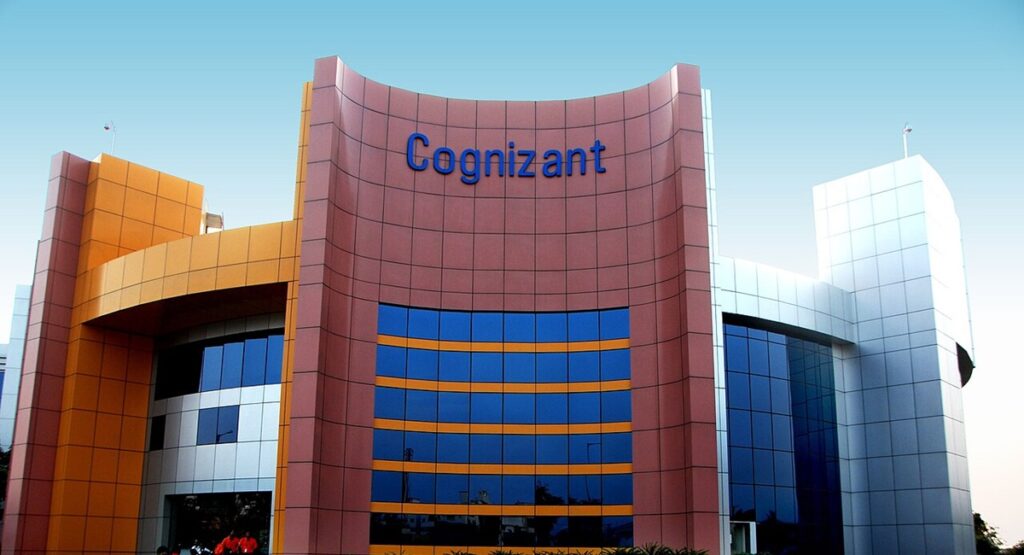
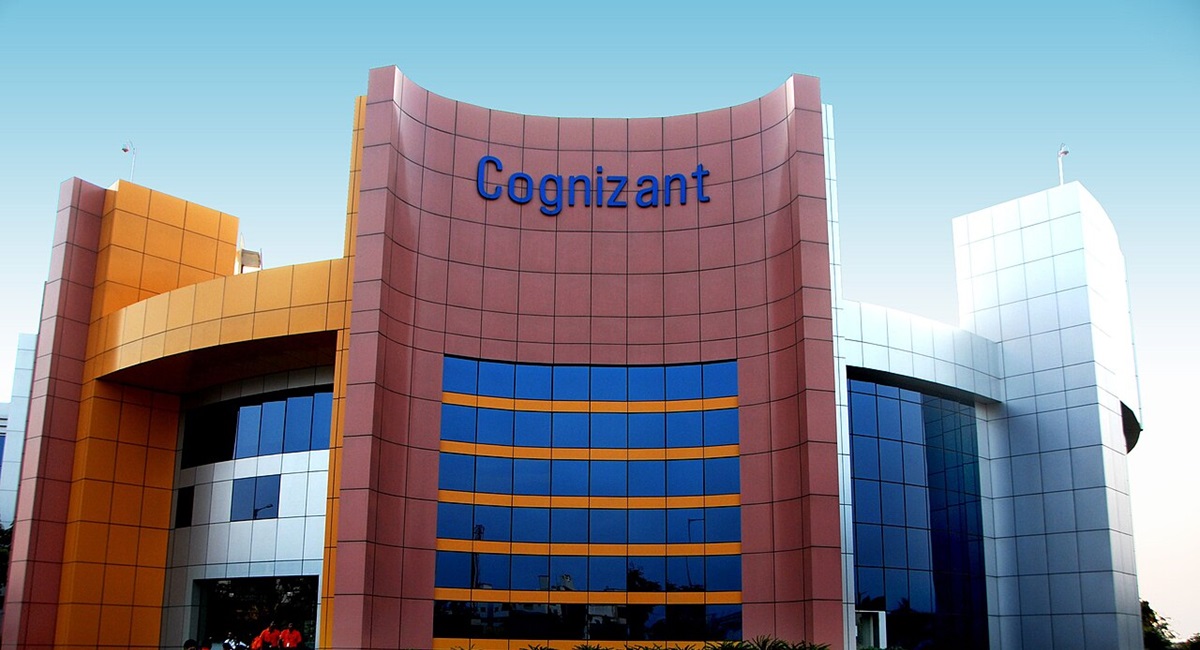

During its Q4 2025 earnings call, Cognizant announced plans to hire about 24,000-25,000 freshers in 2026, the Economic Times reported.
The hiring target is part of the company’s strategy to expand the “bottom of the pyramid” workforce. This new target is 20% higher than the company’s fresher hiring in 2025, which was about 20,000. As per Cognizant CEO Ravi Kumar S, the company is focused on shifting high-value tech expertise to entry-level employees through AI.
“We are hiring more school graduates. In 2025, we hired more school graduates than in 2024, and in 2026, we are planning to hire more school graduates than in 2025. The idea is to hand this expertise on the fingertips of people at the bottom, and drift that value down to actually create not only significant non-linearity but broader pyramid early careers in our journey,” Kumar explained.
Cognizant also added that 16,000 freshers out of the 20,000 it hired in 2025 are already “in production.” While they have started working on client projects, the remaining 4,000 are still being trained.
“This year we plan to increase this by an order of magnitude, about 20%, so we would be very happy to land around 24,000-25,000 for 2026,” Cognizant CFO Jatin Dalal added.
Cognizant highlighted how it has shifted from a linear hiring model to a graded system. It has a premium hiring swim lane dubbed ‘Tech Wizards’ for recruits from the IITs, along with Other graded categories that include power programmers and software engineers. This, as per Kumar, is because the company prioritises “learnability” over experience.
“People think more experienced hires is the way to go,” explained Kumar. “I actually think learnability is the way to go. It is so fast and dynamically changing. In fact, if you go to the school graduates, you’ll realise that they haven’t seen the old way of doing software… so that unlearning is not needed, you could get much higher throughput.”
Kumar also talked about the increasing concern of AI replacing humans in various job roles. As per the CEO, while “jobs of the past” might be vanishing, the new technologies have also created new jobs by modernising old software and reducing technical debt.