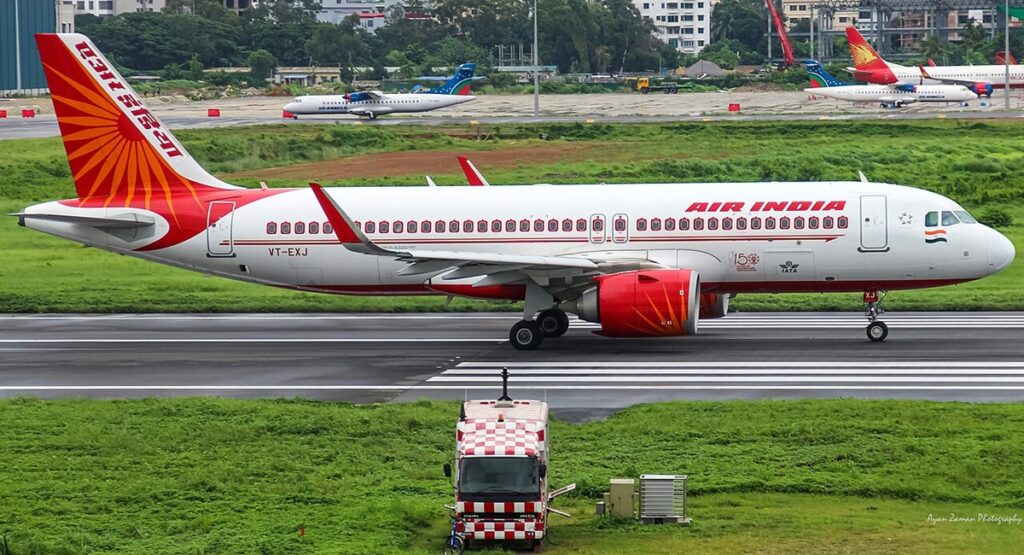
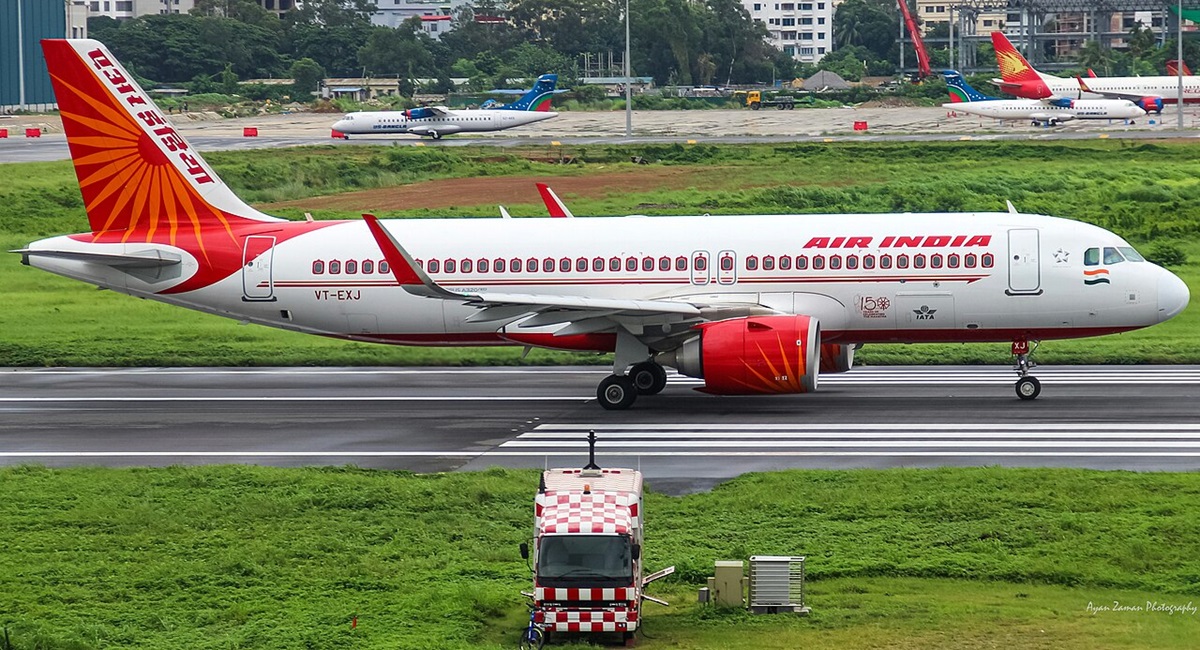

Air India has hiked pilot salaries by 8% to 15%, with commanders receiving the largest increases and the raises tapering by rank, the airline announced on Friday.
The revision reshapes how the Tata Group carrier pays its flight crew, rewarding seniority and productivity while building a clearer progression path across the group. Under the new structure, a senior commander flying 55 hours a month will now earn ₹8.3 lakh, up from ₹7.5 lakh. A first officer will earn ₹3.3 lakh, up from just over ₹3 lakh.
Beyond the headline raise, Air India has reworked its flying-hour framework. Pilots have for years operated under a 40-hour guaranteed pay model, receiving minimum pay for those hours regardless of actual flying, with additional pay for hours flown beyond that. IndiGo, by comparison, offers fixed pay for 70 hours. Air India will continue to guarantee pay for 40 flying hours but has enhanced its flying allowance rates. Rates for hours beyond the 40-hour threshold have been increased, a move the airline positions as aligning compensation with industry benchmarks while rewarding productivity.
The revision also restructures career progression within the group. First officers and co-pilots will now receive command upgrades at Air India Express, which operates single-aisle aircraft, before moving to Air India, which flies wide-body aircraft on higher pay. Air India Express will serve as the primary pathway for command upgrades, allowing pilots to progress toward wide-body flying at the mainline carrier. A fleet allowance is being introduced for pilots supporting the Boeing 737 fleet at Air India Express, part of an effort to make the low-cost arm more attractive and to address shortages on that fleet.
Some terms tighten alongside the pay gains. Privilege leave has been reduced from 30 days to 24 days, though weekly offs will not be counted as leave.
The context is one of rapid expansion. Since the Tata Group took over Air India and Air India Express in January 2022, the combined fleet has grown from around 100 to roughly 300 aircraft. The airline is also restoring international flights that were reduced after the West Asia crisis, with capacity expected to return to January–February levels next month. The closure of Pakistani airspace has lengthened several routes, raising flying time and increasing pilot requirements, adding further pressure on crew supply.