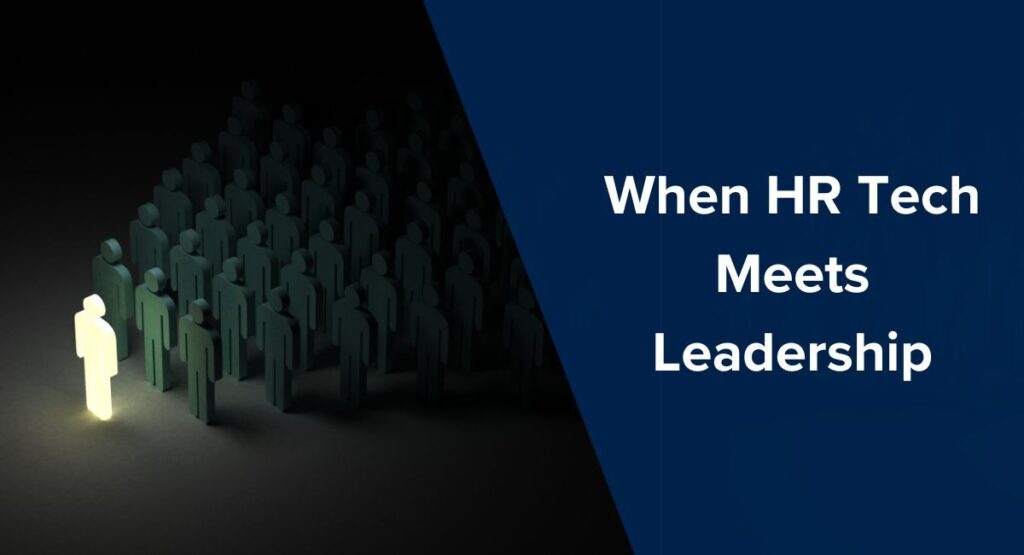

Over the last decade, HR tech has penetrated deep into the workforce across multiple functions such as performance management, engagement surveys, OKRs, pulse checks, learning journeys, feedback loops, grievance redressal, and exits.
Technology is increasingly being used as a buffer between leaders and the human complexity of work.
Instead of leaders having honest, difficult conversations about underperformance, misalignment, or role mismatch, organisations rely on rating systems, calibration grids, and automated feedback cycles. The system delivers the message so the leader doesn’t have to. Accountability becomes methodical rather than personal.
However, the concerning question is not whether technology improves the workflow. It is whether, in the name of efficiency, companies are automating the very responsibilities that define leadership, which are judgement, courage, empathy, and ownership.
But first and foremost, it is important to look at the illusions that tech automation often creates.
The illusions created by tech don’t declare themselves immediately. They gradually crawl into the system in the form of automated feedback, dashboards, numbers, etc. But distress accompanies these sophistications when leaders hide uncomfortable situations and conversations in the shadow of tech.
Impact on the workforce
According to a study published on ADP, workforce engagement in India dropped to just 19% in 2025, the steepest fall globally, even as organisations invested heavily in digital HR processes. The respondents attributed this less to pay or perks and more to feeling disconnected, unheard, and unsafe in candid conversations with leaders.
In yet another survey by Indeed, alarmingly, 63% of the respondents stated that they seek recognition from their bosses, illustrating how much relational elements matter. This is a classic example of why tech should automate processes, but in reality, how it is being used.
The crux of the story is that ‘psychological safety’ takes the driving seat in the case of employee productivity and experience. Thus, automation should be restricted to processes and not leadership.
Tech was meant to support leadership and not substitute it. When the latter happens, the emotional contract between employees and organisations erodes. Over time, work becomes transactional, not relational. Productivity suffers as people disengage from goals they no longer feel connected to. When effort is measured but not understood, motivation declines.
Finally, lack of motivation shows up, leading to silent quitting, which emerges as a response to being managed by systems rather than led by humans.
Shifting leadership behaviour
A study conducted by Indeed in association with NASSCOM shows that 97% of the Indian HR leaders anticipate that by 2027, the nature of work will be shaped by humans working alongside AI rather than engaging with it only intermittently.
When compared globally, a study on similar lines found that 41% of the UK-based people managers have used AI to draft or edit performance reviews, and 36% used it to develop scripts for conversations ahead of time. This isn’t just administrative automation; it’s shaping how leaders prepare and communicate evaluative and relational content.
In yet another study, 26% of employees expressed the fear that AI had written their performance evaluation, and 17% believed AI drafted their layoff email, and many described these communications as “emotionless” or “robotic.”
This is highly alarming as with tech increasingly shaping how work and people decisions are organised, there is a risk that the relational, human aspects of leadership, such as listening, context-based judgement, and psychological safety, receive less emphasis if leaders rely on systems as proxies rather than as support.
Resolving the matter
Whenever automation becomes inevitable, compliance and regulatory checks become mandatory. Already, tech has become entangled in the process. So, the next step should be to find the direction and understand where not to use it.
Repetitive tasks such as scheduling, analytics, documentation, workflow tracking, reporting, etc, qualify for automation. These functions reduce administrative load and allow leaders to focus on higher-order thinking. However, humans should have an upper hand in functions such as communication, feedback, conflict resolution, etc, as these are often built on empathetic grounds.
These are the areas where psychological safety is called for.
A paper published on Elsevier suggests that understanding its impact on employee behaviour and organisational culture becomes critical.
Gartner found that only 14% of employees strongly agree that performance reviews inspire them to improve. Despite digital performance platforms, the developmental impact remains low. This suggests that tech alone does not enhance motivation or engagement. This clearly indicates that there is no substitute for human intervention.
So, the conversation is no longer about whether to automate, but about how automation will reshape leadership itself. Once technology becomes embedded in people processes, it subtly begins influencing how leaders act.
The choices organisations make today about where to draw the line between systems and human judgement will determine not just business outcomes, but the culture of accountability and trust that defines the workplace tomorrow. It is at this intersection that the future of work and HR automation must be examined more critically.
Future of work and HR automation
As derived from the analysis above, the future of work will not be decided by how intelligent our systems become, but by how accountable our leaders remain. HR automation is inevitable, and in many ways, necessary. But efficiency cannot become a substitute for empathy. Organisations that allow systems to mediate conversations that require human-to-human interaction, or delegate judgement to dashboards, are optimised but not trusted.
The real challenge, therefore, is not technological sophistication but moral clarity. Leaders must consciously decide where automation ends and responsibility begins. HR technology should expand a leader’s capacity to listen better, prepare better, and decide more fairly.
HR tech should not distance people from difficult conversations or shield them from accountability. In an AI-enabled workplace, credibility will not come from how seamlessly systems operate, but from how consistently leaders show up. This is because it real leadership skills of a person.
The organisations that will thrive are not those that automate the most, but those that automate wisely, protecting space for judgement, dialogue, and human dignity in every person’s decision.