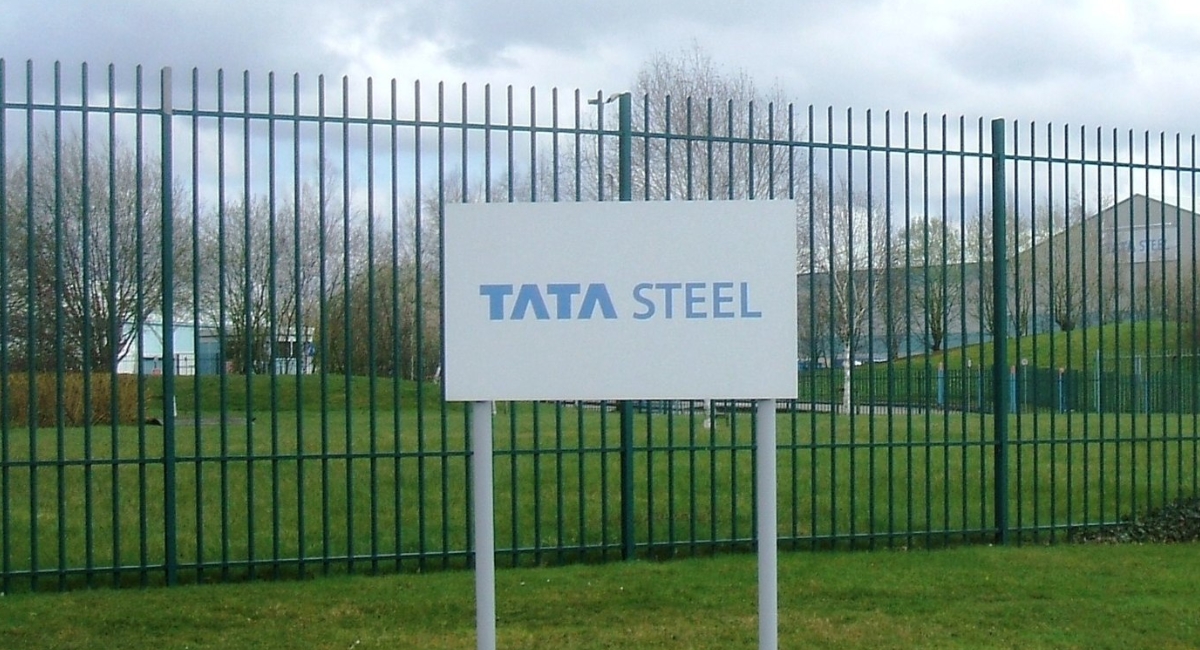

Tata Steel is expanding its use of artificial intelligence, connected-workforce systems and remote operations to shift industrial safety from post-incident investigation to real-time prevention, a senior company official said. The steelmaker is already running more than 10,000 AI-enabled CCTV cameras across its operations to flag unsafe behaviour and trigger intervention before accidents occur, according to a report by news agency PTI.
The company has reduced its group-wide lost time injury frequency rate by 38% over the past 15 years. It now uses computer vision to detect unsafe acts and alert supervisors directly, cutting reliance on manual monitoring of thousands of camera feeds.
Rajiv Mangal, Vice President, Safety, Health and Sustainability at Tata Steel, told PTI the aim is to intervene earlier. “Most people use CCTVs for post-mortem after an incident. We want to do it proactively to prevent accidents,” he said.
Beyond fixed cameras, Tata Steel is rolling out its Connected Workforce platform across India, using AI-enabled gate passes and beacons to track personnel movement and confirm that workers stay within authorised zones. Its Integrated Remote Operation Centres, or iRoCs, consolidate CCTV feeds, plant data and environmental inputs so that hazardous tasks in mines and plants can be monitored and, where possible, controlled remotely. With an estimated 8,000 to 10,000 trucks entering plants daily, driver-fatigue systems track head movement and phone use and issue alerts.
The company spent ₹802.17 crore on environment, safety and compliance projects in FY2025-26, compared with ₹1,036.25 crore the previous year. Tata Steel expects hazard prediction, digital twins, autonomous inspections and wearables to become central to industrial safety by 2035, alongside a wellness framework covering physical, emotional, occupational, social and financial wellbeing.
The move reflects a wider shift across India’s heavy industry, where employers are pairing surveillance technology with worker-tracking systems to lower exposure in high-risk environments, a change that also carries fresh questions about workplace monitoring.