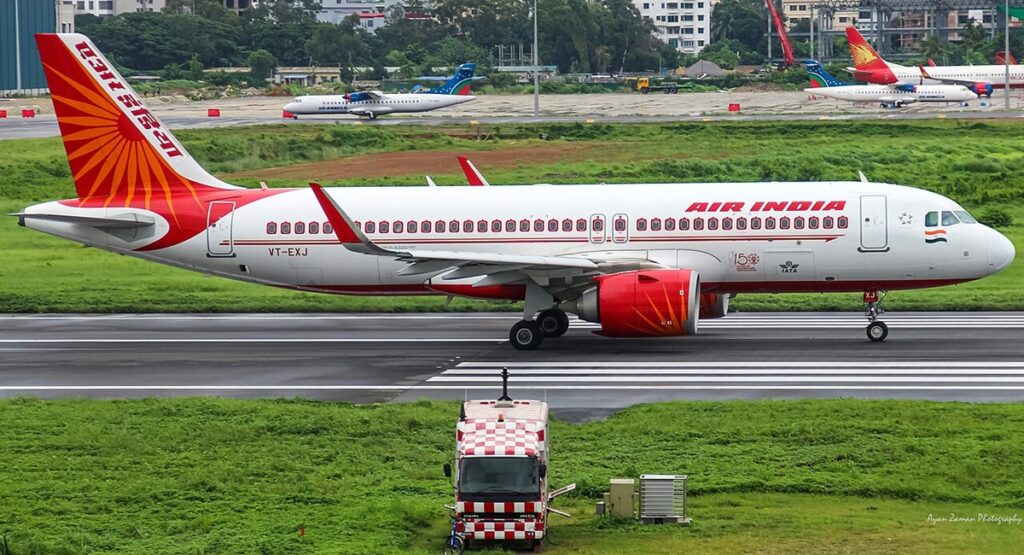
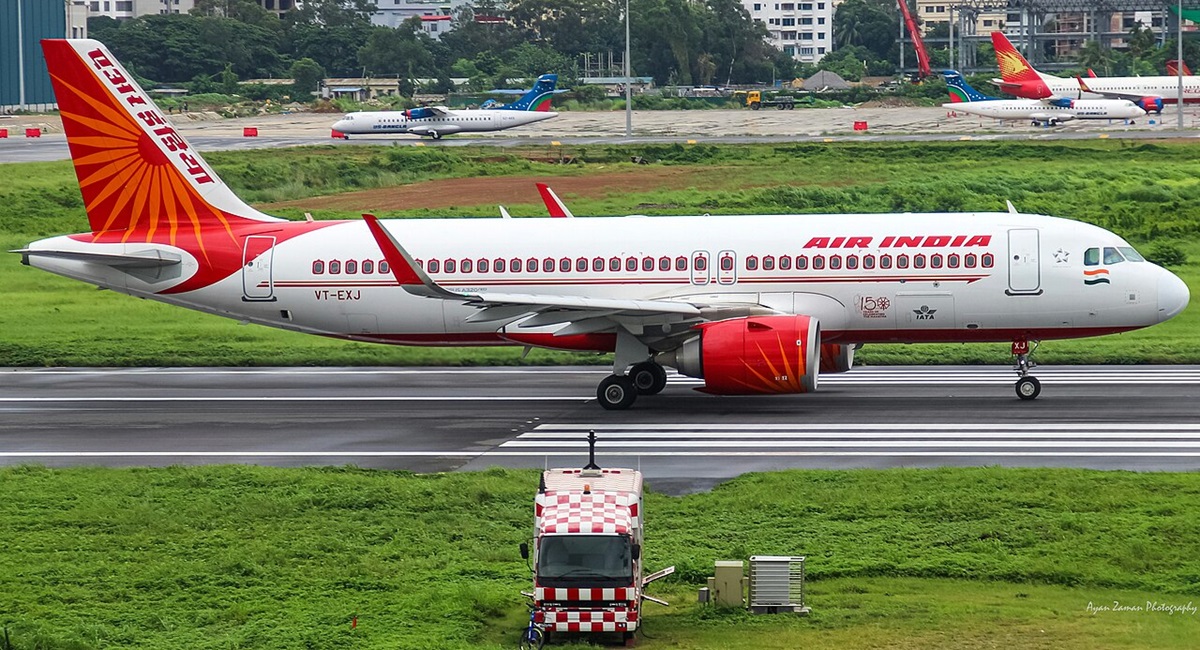

Air India will roll out annual salary increments from 1 October, CEO Campbell Wilson told staff at a quarterly town hall, according to reports on the airline’s latest employee briefing.
The revised pay structure for pilots will also take effect on the same date, according to sources cited in the reports. Earlier in 2026, the airline had deferred its increment cycle by one quarter amid West Asia turmoil that significantly disrupted flight operations and pushed up costs.
Wilson, who is likely to leave the airline next month, laid out a difficult operating backdrop. Over the past six months, airlines worldwide have faced significant headwinds, including a surge in jet fuel prices during the March to May period. The Pakistan airspace closure increased flight times for Indian carriers by up to three hours on several Europe and North America routes, while disruptions from the Iran conflict added further operational complexity and fuel costs.
He also pointed to the depreciation of the rupee and softer demand on the India to US corridor, linked to visa restrictions and trade-related uncertainty, as added industry-wide pressures. During temporary network curtailments caused by airspace restrictions, the airline carried out fleet improvement work, Wilson said.
The salary decision reverses a pause announced earlier in the year. At a May town hall, Wilson had told employees that increments would be delayed while the airline absorbed higher-than-expected losses for FY26, though he assured staff there were no plans for layoffs and confirmed variable pay linked to the previous year’s performance.
On the fleet, Wilson said the group expects to induct over 100 new planes in the next two years, with 16 Boeing 787-8 aircraft slated for retrofit in 2027.
The town hall took place as the airline faces regulatory scrutiny over a Phuket to Delhi flight incident on 4 August. Air India Limited, majority-owned by the Tata Group with Singapore Airlines holding 25.1%, employs roughly 18,000 people and reported a net loss in FY25 as it works through one of the largest transformation programmes in global aviation.