

The Ministry of Labour and Employment has issued a nationwide advisory directing states and Union Territories to roll out preventive and mitigation measures for workers exposed to ongoing heatwaves, as rising temperatures threaten labour productivity and workers’ health across the country. The advisory was issued on April 28, 2026.
In a communication to Chief Secretaries and Administrators of all States and Union Territories, the ministry called for a coordinated, multi-sectoral approach to safeguard workers, particularly those in outdoor and labour-intensive sectors. The advisory recommends rescheduling work hours, ensuring uninterrupted access to clean drinking water, providing rest areas with cooling arrangements, and arranging health check-ups.
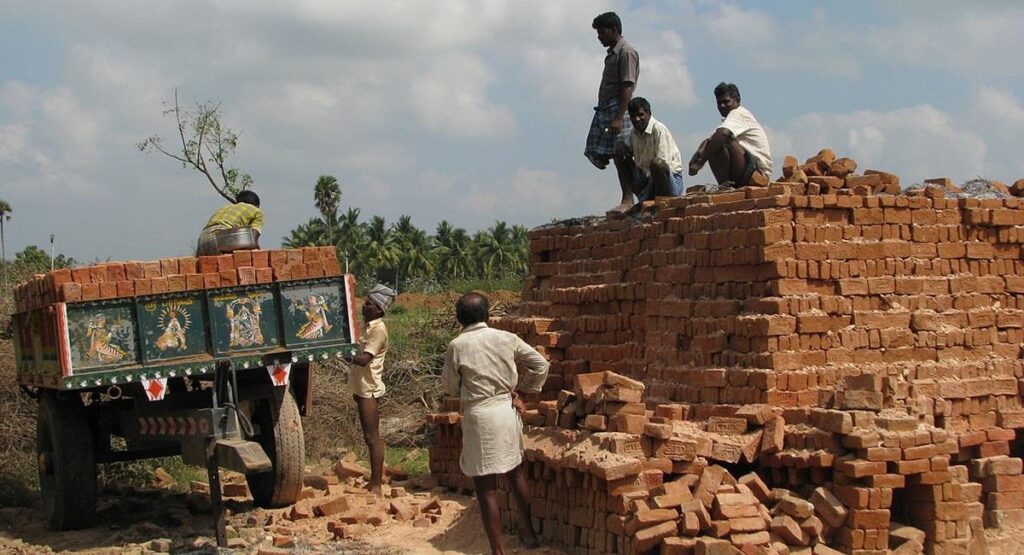
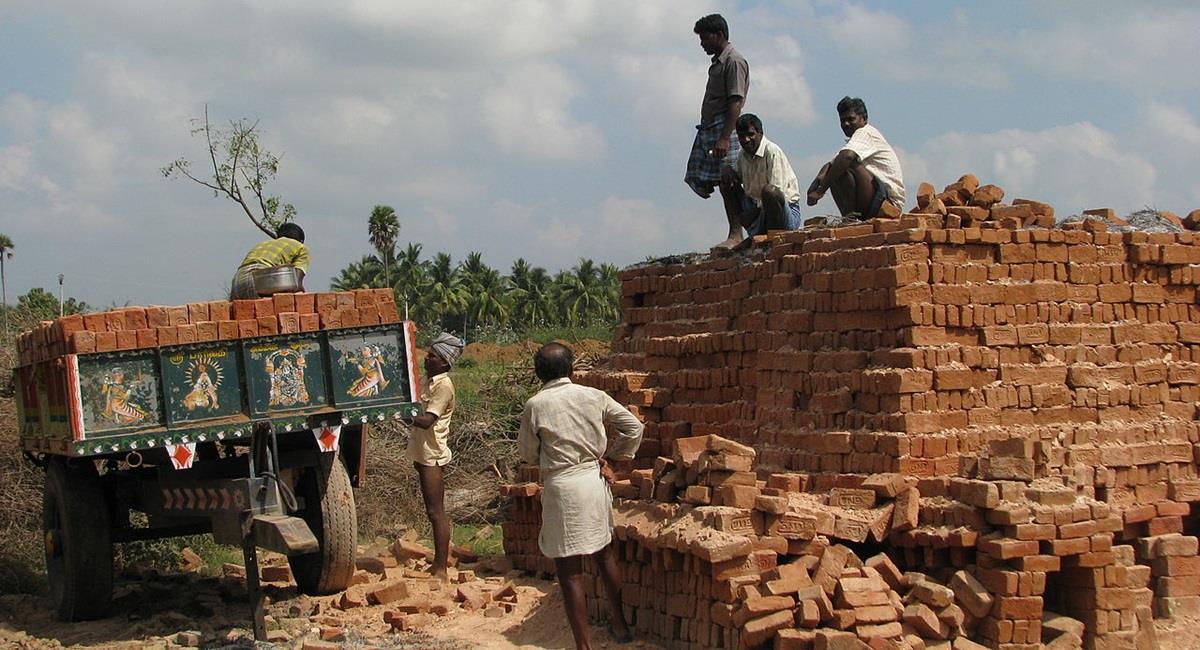
Factory and mine managements have been advised to slow the pace of work during periods of extreme heat, deploy two-person crews where continuous work is unavoidable, and ensure ventilation. Special attention has been recommended for construction workers, brick kiln workers, daily-wage earners, and casual labourers. The Employees’ State Insurance Corporation (ESIC) hospitals have been asked to set up dedicated help desks for heat stroke cases and stock ORS, ice packs, and other heat illness prevention materials.
In the advisory, Labour Secretary Vandana Gurnani stated, “India has been experiencing above-normal temperatures during the months across most parts of the country each year, with workers and labourers being the worst sufferers of extreme heatwave conditions.”
The India Meteorological Department has forecast above-normal heatwave days between April and June 2026 across most parts of the country. Tier-1 cities, including Delhi and Mumbai, have already reported a 10 to 15% surge in patient visits for heat strokes, exhaustion, and dehydration, according to hospital data. The economic stakes are significant.
The National Human Rights Commission has separately written to 21 states and Delhi, flagging the disproportionate impact of heatwaves on outdoor workers, the homeless, and economically weaker sections.
Enforcement agencies, including the Chief Labour Commissioner and the Directorate General of Mines Safety, have been asked to monitor compliance with provisions on safe working conditions. All organisations have been asked to submit fortnightly status reports on actions taken, signalling that workplace heat protection is set to become a recurring compliance focus for HR and operations teams across India’s labour-intensive sectors.



