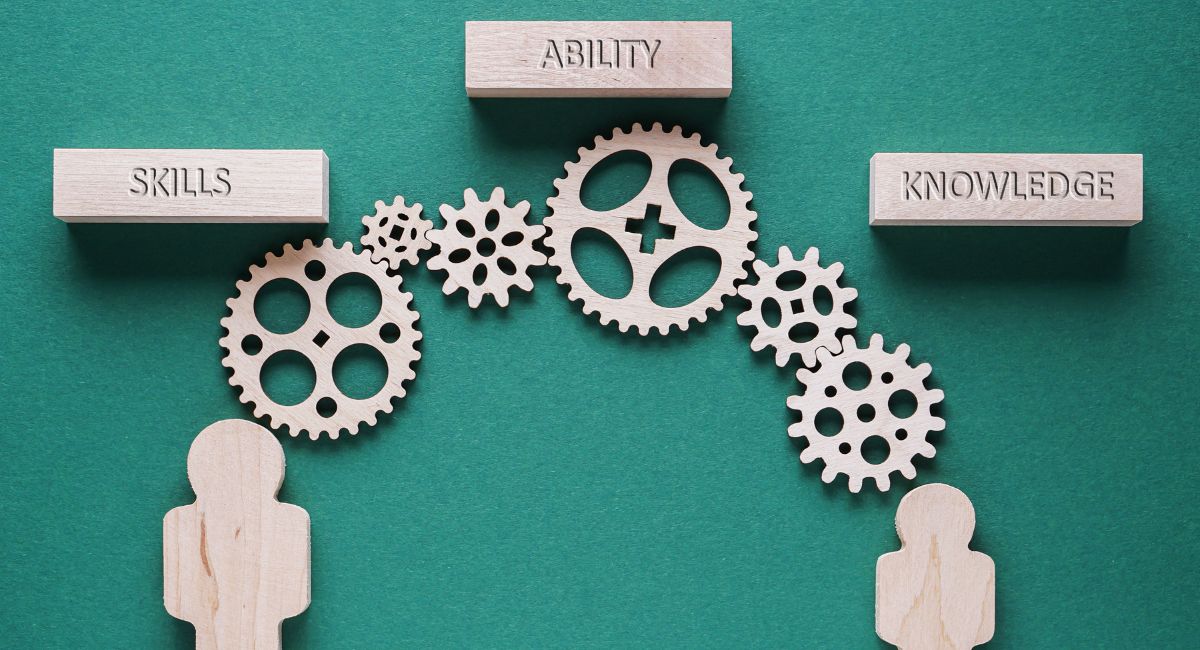

The way India hires is changing, and not just at the edges.
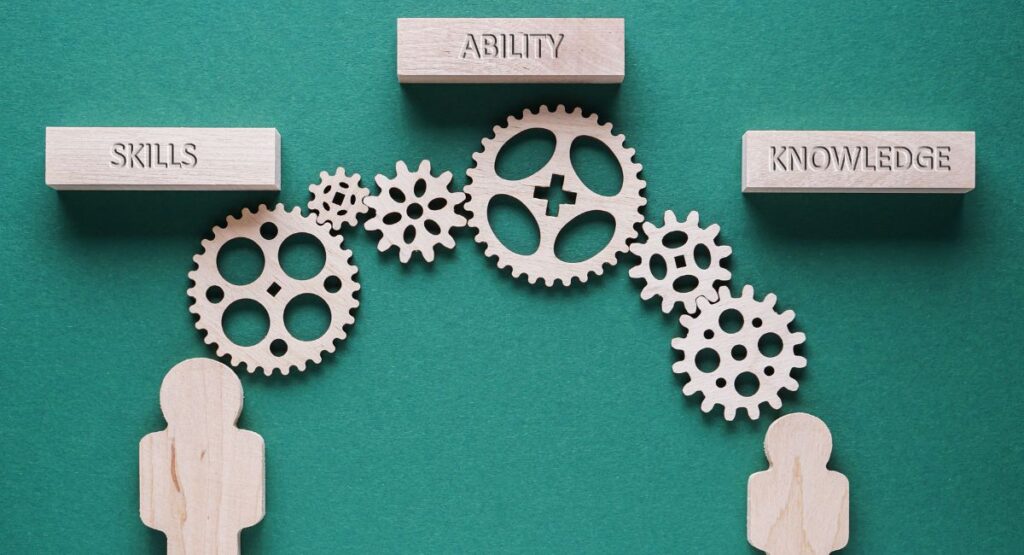
For decades, a degree from the right college or a title on a resume carried enormous weight in hiring decisions. But the conversation has quietly shifted. Companies are beginning to ask a different question: not where someone studied or what their job title was, but what they can actually do.
This shift toward a skills-based workforce is not a distant trend. It is already taking shape within Indian organisations, from the way job descriptions are written to the way performance reviews are conducted. If you have noticed some changes in how your company approaches hiring, development, or workforce planning, here are six signs that suggest it may already be moving in this direction.
1. Job Descriptions Focus More on Skills Than Degrees
According to the World Economic Forum’s Future of Jobs Report 2025, around 30% of companies operating in India plan to remove degree requirements and offer apprenticeships, compared to 19% globally, which is nearly double the international average.
The first place the skills-first shift becomes visible is in your job postings. If your company’s job descriptions have started emphasising competencies, tools, and real-world experience over formal qualifications, that is a meaningful change from how things were done even a few years ago.
You might notice phrases like “demonstrated ability to” or “hands-on experience with” appearing more than “degree required.” The emphasis shifts from credentialing to capability. A candidate’s ability to work with a specific analytics platform, manage cross-functional stakeholders, or navigate a regulatory environment starts to outweigh the prestige of their alma mater.
For HR, this is not just an editorial update to a job posting. It signals a fundamental rethink of what a “qualified” candidate looks like.
2. Hiring Processes Include Skill Assessments
The second sign is in how candidates are evaluated during the hiring process. If your company has started incorporating work simulations, case studies, take-home assignments, or technical tests into its recruitment pipeline, it is actively trying to see capability in action rather than simply taking it on faith.
Interviews are valuable, but they have well-documented limitations. A confident communicator is not always the most competent hire. Structured skill assessments help bridge that gap by testing for what the role actually demands, whether that is analytical reasoning, coding fluency, client communication, or problem-solving under pressure.
The urgency behind this shift is not hard to understand. As per Mercer Mettl’s India Graduate Skill Index 2025, 82% of employers in India report difficulty finding candidates with the right skill sets. When the talent pipeline is this misaligned with business needs, relying on resumes alone simply does not work. Companies that have introduced assessments into their hiring process are essentially trying to see through the credentials to the capability underneath.
3. Internal Mobility Is Encouraged
A less obvious but equally telling sign is what happens after someone joins your company. If your organisation encourages employees to move across roles, teams, or functions based on their transferable skills, that is a hallmark of the skills-based model.
This might look like cross-functional project teams where employees from finance, operations, and HR collaborate. It might be a formal talent marketplace that lets employees express interest in internal opportunities beyond their current role. Or it might be a manager who actively champions a team member for a role in a different department because of a specific capability they have demonstrated.
Internal mobility has become a retention lever as much as a talent strategy. In LinkedIn’s Workplace Learning Report 2025, 55% of career development champions and 48% of the remaining respondents reported internal mobility as a high priority. Companies that close that gap between talent and skills by actively creating pathways for employees to grow laterally and vertically based on skills tend to retain talent longer and build more agile teams.
4. Learning and Upskilling Are Actively Promoted
When a company invests in continuous learning, through access to training platforms, certifications, structured development programs, or even learning budgets, it is betting on its people growing into future roles rather than perpetually hiring from the outside.
This is not just about offering a few e-learning modules. It is about whether learning is genuinely baked into the culture. Do managers have conversations about skill development? Are employees given time, not just permission, to upskill? Does the organisation have a point of view on which skills will matter in the next two to three years?
India’s workforce numbers make this especially urgent. The WEF Future of Jobs Report 2025 estimates that around 63 in every 100 Indian workers will require retraining by 2030. Companies that are proactively building learning infrastructure today, rather than waiting for the skill crisis to deepen, are already making a skills-first bet on their own workforce.
5. Performance Reviews Emphasise Capability Development
Traditional performance reviews tend to be backwards-looking: how well did you do your job this year? A skills-based organisation starts to look ahead: what capabilities are you building, and what should you develop next?
If your company’s performance conversations have started including questions like “what new skills have you added this year?” or “what competencies do we need you to grow into over the next cycle?”, that reflects a deeper shift in how people performance is being measured. The focus moves from task completion to capability growth.
This shift matters because it changes what managers are accountable for. Rather than simply assessing whether an employee hit their targets, a manager in a skills-oriented organisation is also responsible for helping that employee grow into new capabilities. It makes development a shared responsibility, not just an HR initiative.
6. Workforce Planning Is Based on Skill Gaps
If HR and business leaders are having conversations about skill gaps rather than just headcount, and if decisions about hiring, restructuring, or training are guided by a view of what capabilities the organisation currently has versus what it will need, that is skills-based workforce planning in practice.
India’s skills gap makes this kind of planning increasingly non-negotiable. According to projections cited in the National Skill Development Corporation (NSDC) and WEF data, India could face a workforce skill deficit of 47–49 million workers by 2027.
For organisations operating in this environment, waiting to identify skill gaps until there is an open position is already too late. Companies that are mapping their internal skills landscape today, understanding where the gaps are and deciding whether to build, buy, or borrow, are the ones building genuine resilience into their talent strategy.
In the End…
The shift to a skills-based workforce is not a single policy change or a rebranding exercise. It is a gradual rewiring of how organisations think about talent, from entry to exit.
If even a few of these signs are visible in your company, it suggests that the ground is already moving. The organisations that notice this shift early and lean into it, by redesigning their hiring, development, and planning around capabilities, will find themselves better equipped to adapt, retain, and grow in a rapidly changing world of work.
For HR professionals, this is both a challenge and an opportunity. The shift to a skills-based model asks more of the people function, more rigour in assessment, more intentionality in development, and more strategic input into how the business plans for its future. But it also positions HR where it has always deserved to be: at the centre of how organisations build for what comes next.