
The Union Budget 2026 highlights the potential of tourism in India, alongwith boosting employment opportunities in the sector.
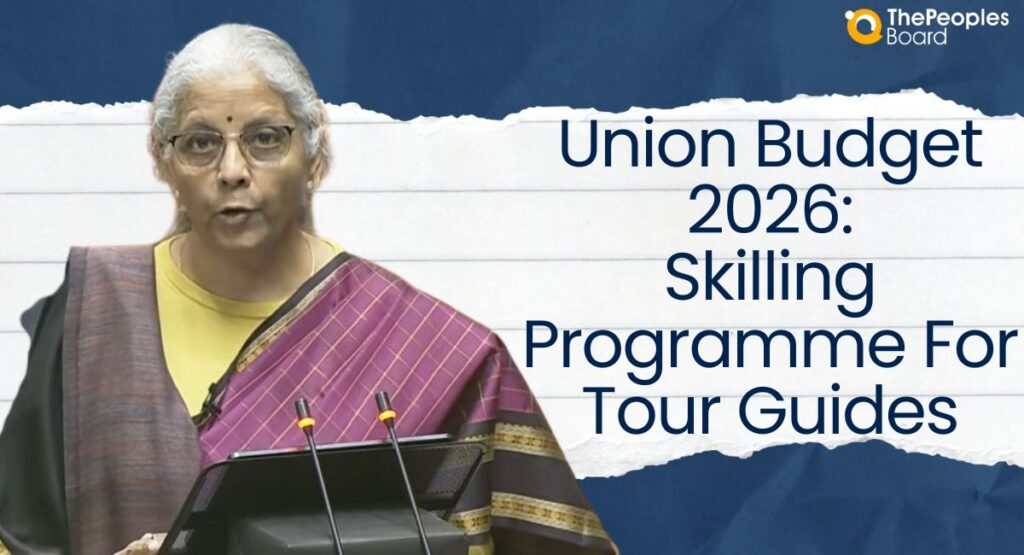
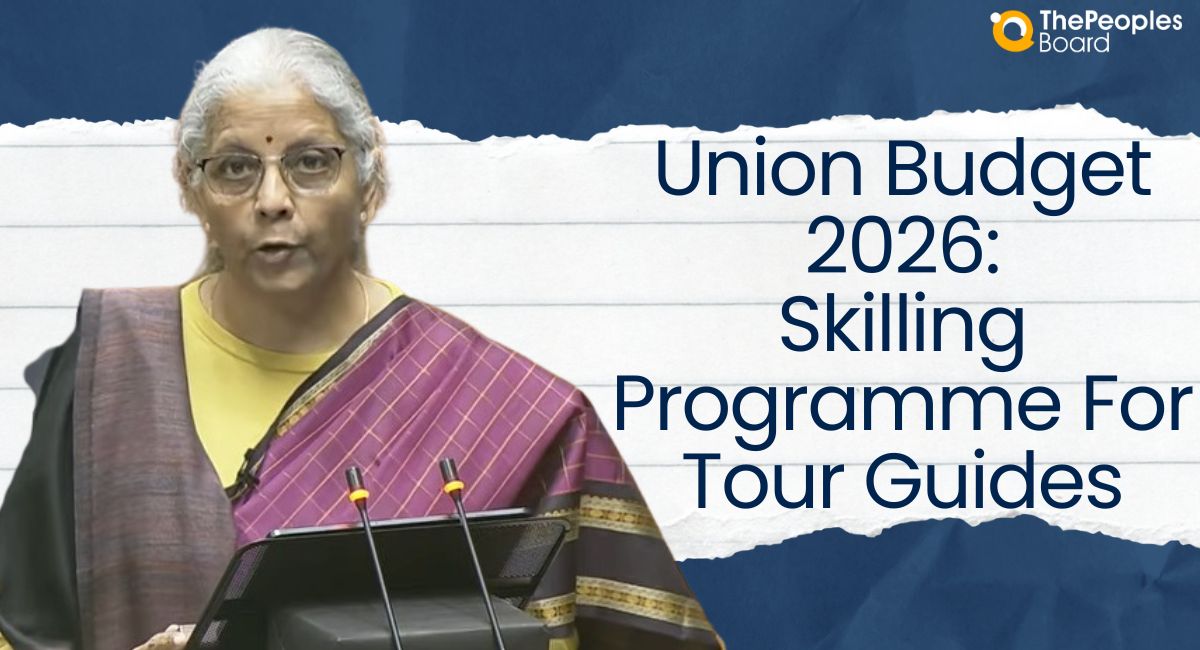
Nirmala Sitharaman said, “The tourism sector has the potential to play a large role in the employment generation forits earnings and expanding the local economy.”
Thus, she proposed to set up a National Institute of Hospitality by upgrading the existing National Council for Management and Catering Technology.
According to her, this will “function as a bridge between academia, industry and government.”
To boost the employment opportunities for the tour guides, the finance minister proposed a pilot scheme for upskilling 10,000 guides in 20 iconic tourist sites through a standardised, high-quality 12-week training course in hybrid mode.
“A digital knowledge grid will be established to digitally document all places of significance, cultural, spiritual and heritage. This initiative will create a new ecosystem of jobs for local researchers, historians, content creators and technology partners,” she further added.
Commenting on this, Nipun Sharma, CEO, TeamLease Degree Apprenticeship, said, “The proposal to establish a National Institute of Hospitality is a timely step toward strengthening one of India’s most employment-intensive sectors. India’s hospitality capacity is scaling rapidly, with an estimated 2.48 million lodging rooms operational as of June 2024, projected to rise to 3.1 million by 2029 and 4.1 million by 2034.”
He further added that this expansion will drive significant demand for skilled talent across operations, service delivery, and management. A national institution that bridges academia, industry, and government can help standardise skills, improve service quality, and create structured career pathways that support employment growth and regional development.