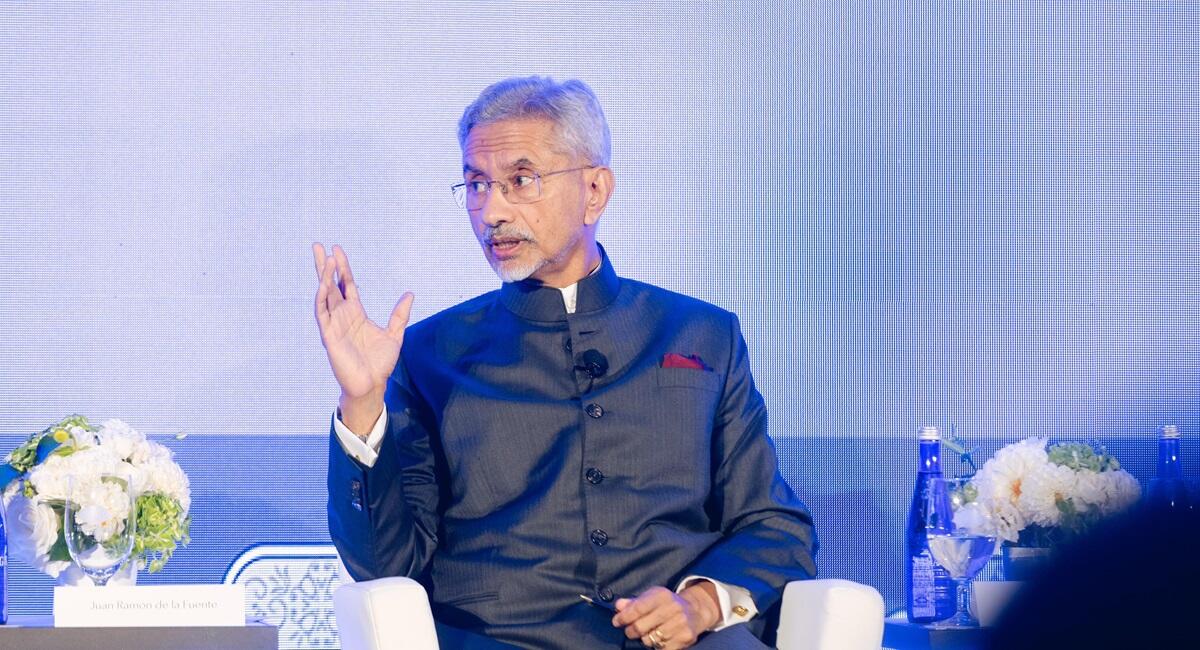

External Affairs Minister S Jaishankar recently talked about the undeniable need for a global workforce. He stressed that countries cannot escape the realities of a global workforce.
Jaishankar’s words come on the heels of the tariff and visa changes made by US President Donald Trump. The new H1-B visa changes initiated by Trump include a $100,000 fee on working professionals, which will undeniably impact many Indian professionals working in the country.
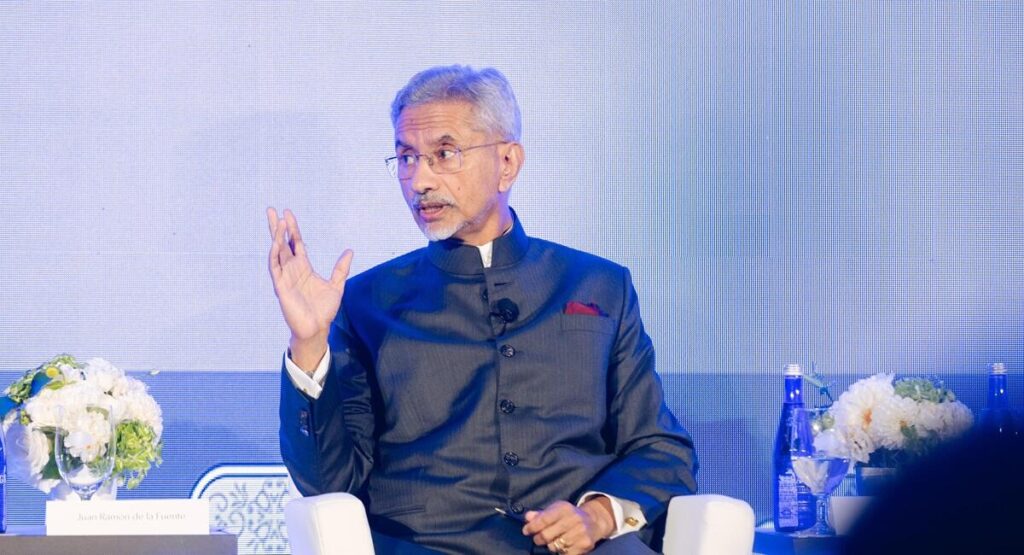
Speaking at ‘At the Heart of Development: Aid, Trade, and Technology’ hosted by the Observer Research Foundation (ORF) on the sidelines of the UN General Assembly session, Jaishankar emphasised the need to create a global workforce that is more acceptable, contemporary, and efficient.
“Where the global workforce is to be housed and located may be a matter of political debate. But there is no getting away. If you look at demand and demographics, demands cannot be met in many countries purely because of national demographics,” Jaishankar stated.
“This is a reality. You cannot run away from this reality. So, how do we create a more acceptable, contemporary, efficient model of a global workforce, which is then located in a distributed, global workplace? I think this is a very big question today which the international economy has to address.”
In his address, Jaishankar talked about how trade has evolved in the past few years and will undeniably lead to new forms of agreements and arrangements that will require a diverse workforce.
“We will see, as part of this re-engineered world, new, more different trade arrangements between countries, countries which will make decisions which they may not have made in other circumstances, countries which today will feel the desire, sometimes even the compulsion, to have new partners and new regions,” said the minister.
Jaishankar added that trade always finds a way, no matter the obstacles and uncertainties that may arise. He insisted that it is “easier to trade today” thanks to modern physical and digital methods, which have helped pave better roads, shipping and much smoother trade interfaces.
“So, for all the obstacles and complications that may arise, I also think they will be countered in some ways or mitigated in some ways by what will happen in the great domain,” Jaishankar explained.